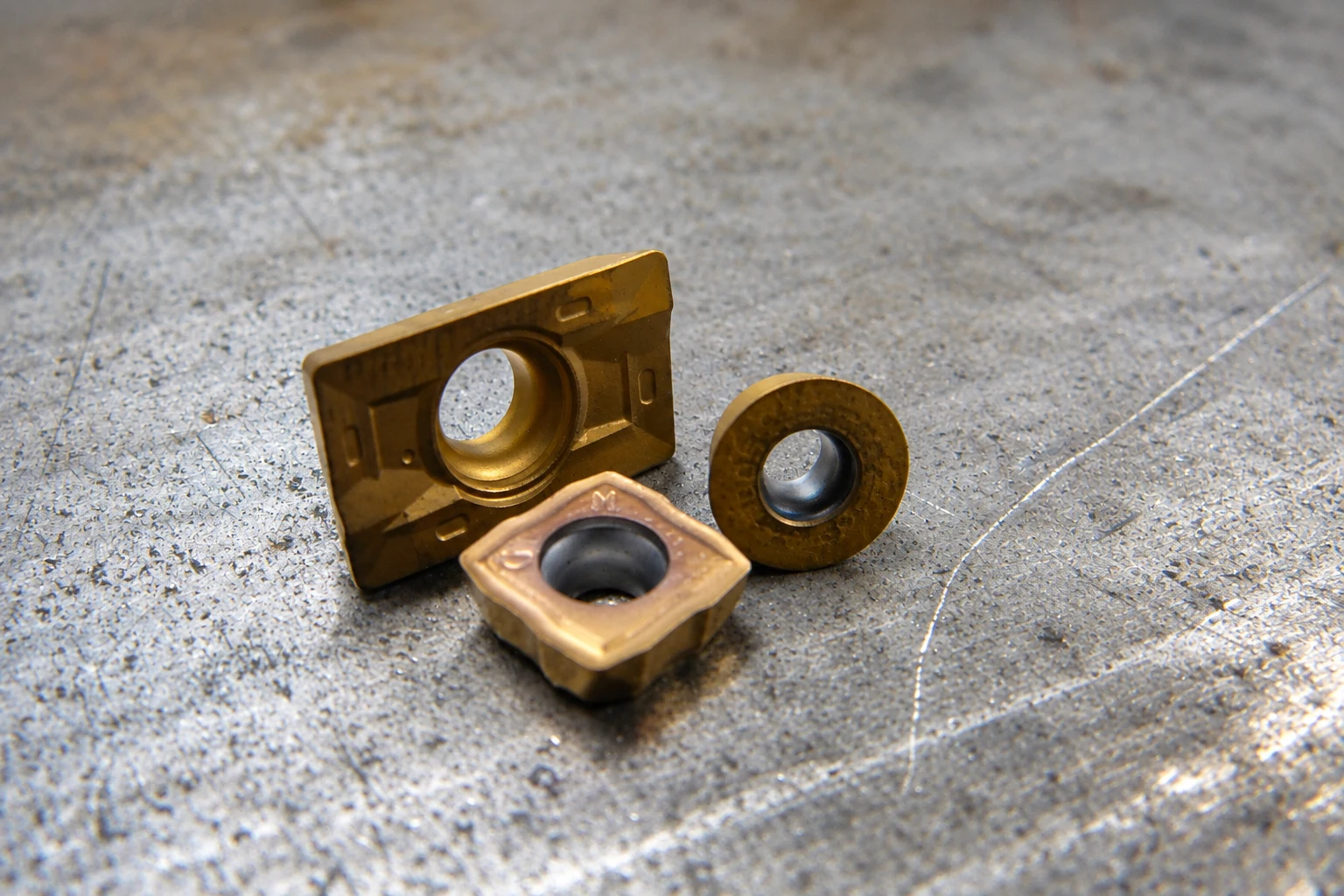
How to Request a Carbide Insert Replacement Without the Old Grade Code
Missing an insert grade code? Prepare photos, holder details and application information, then agree a documented proposal and sample acceptance process.

Missing an insert grade code? Prepare photos, holder details and application information, then agree a documented proposal and sample acceptance process.
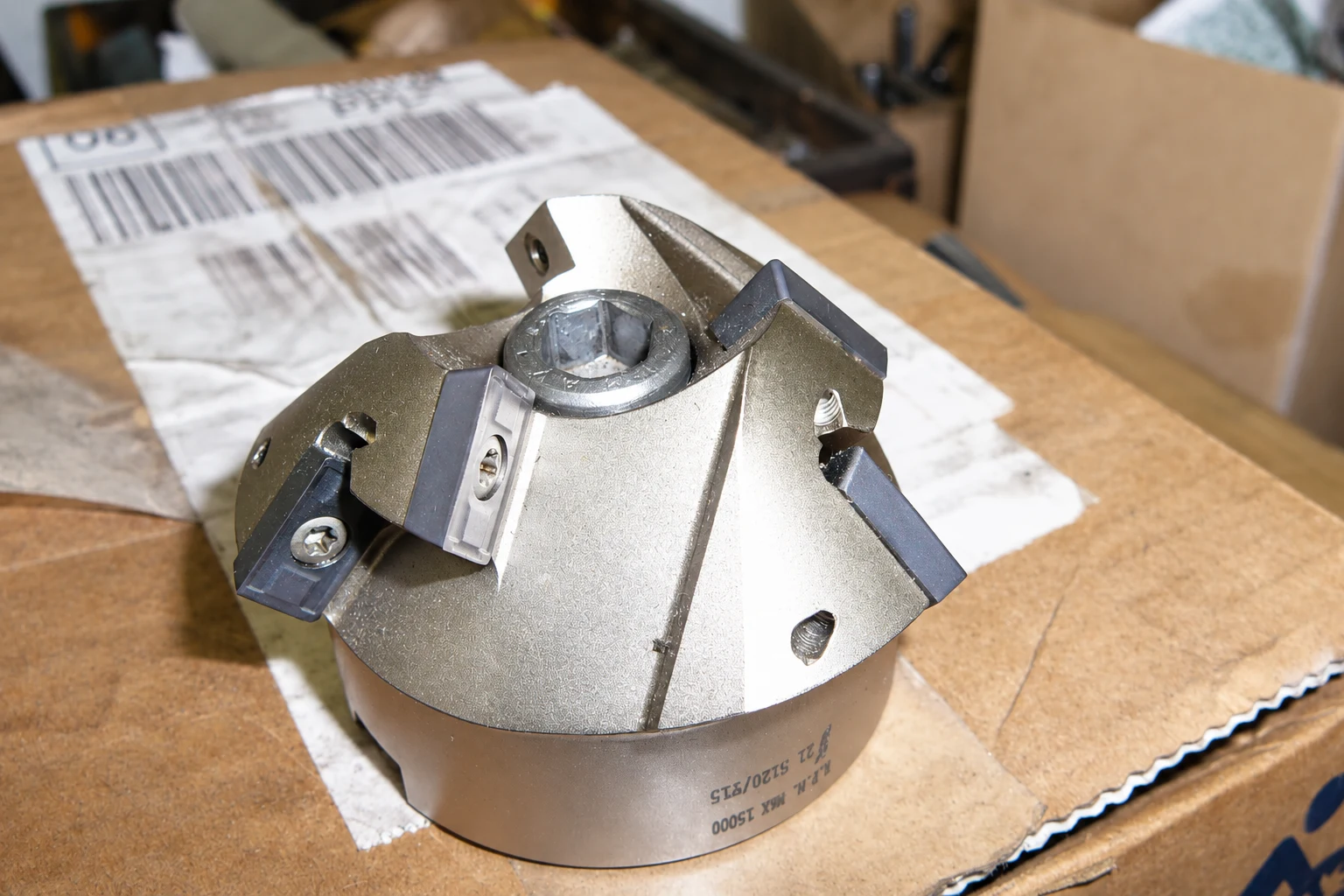
Compare official APMT1135 and APMT1604 examples, then check the approved cutter pocket, insert dimensions and clamping parts before replacing inserts.
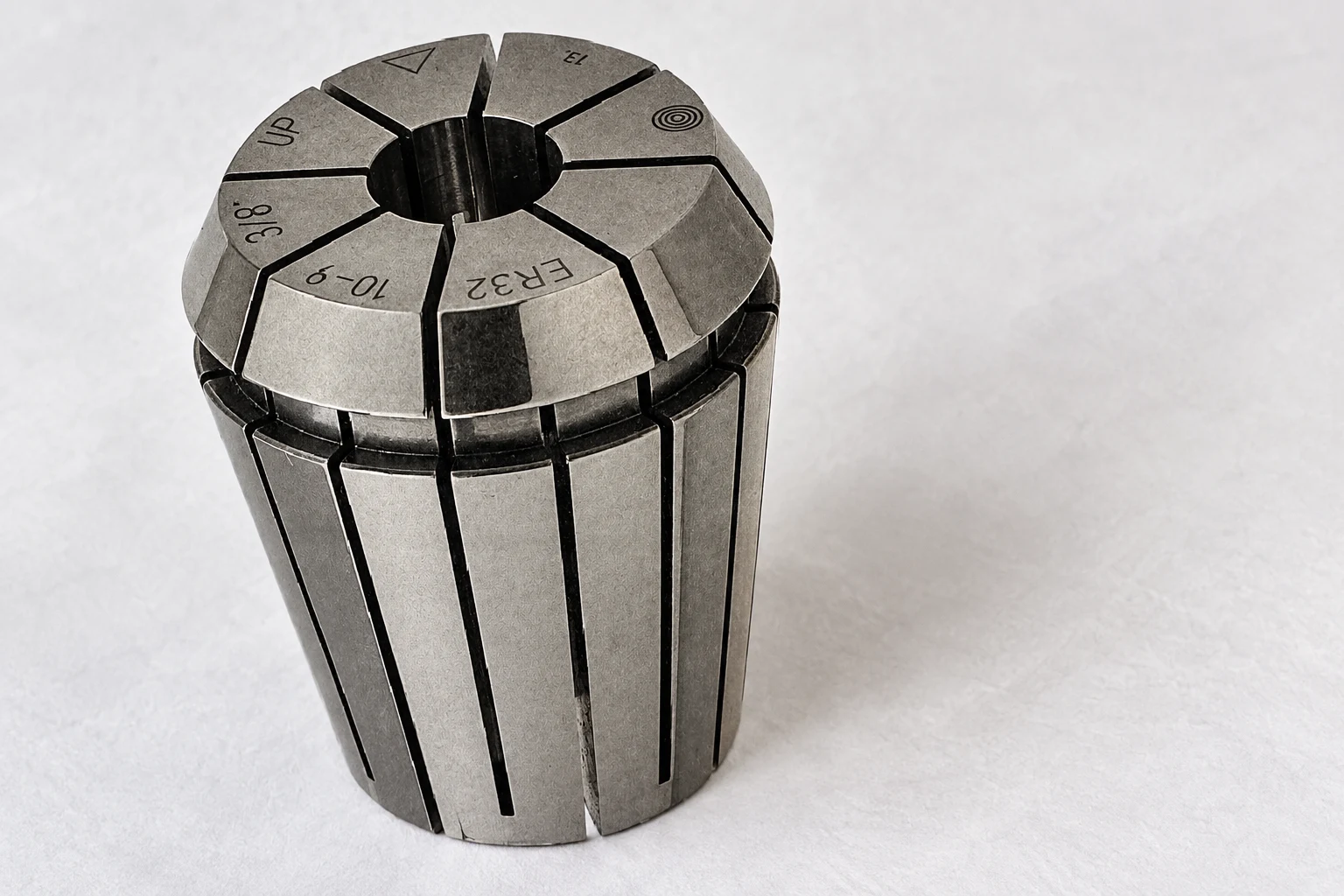
A 1/4-inch shank is 6.35 mm, not 6 mm. Check the exact ER32 collet range, holder and nut before ordering a metric or inch replacement.
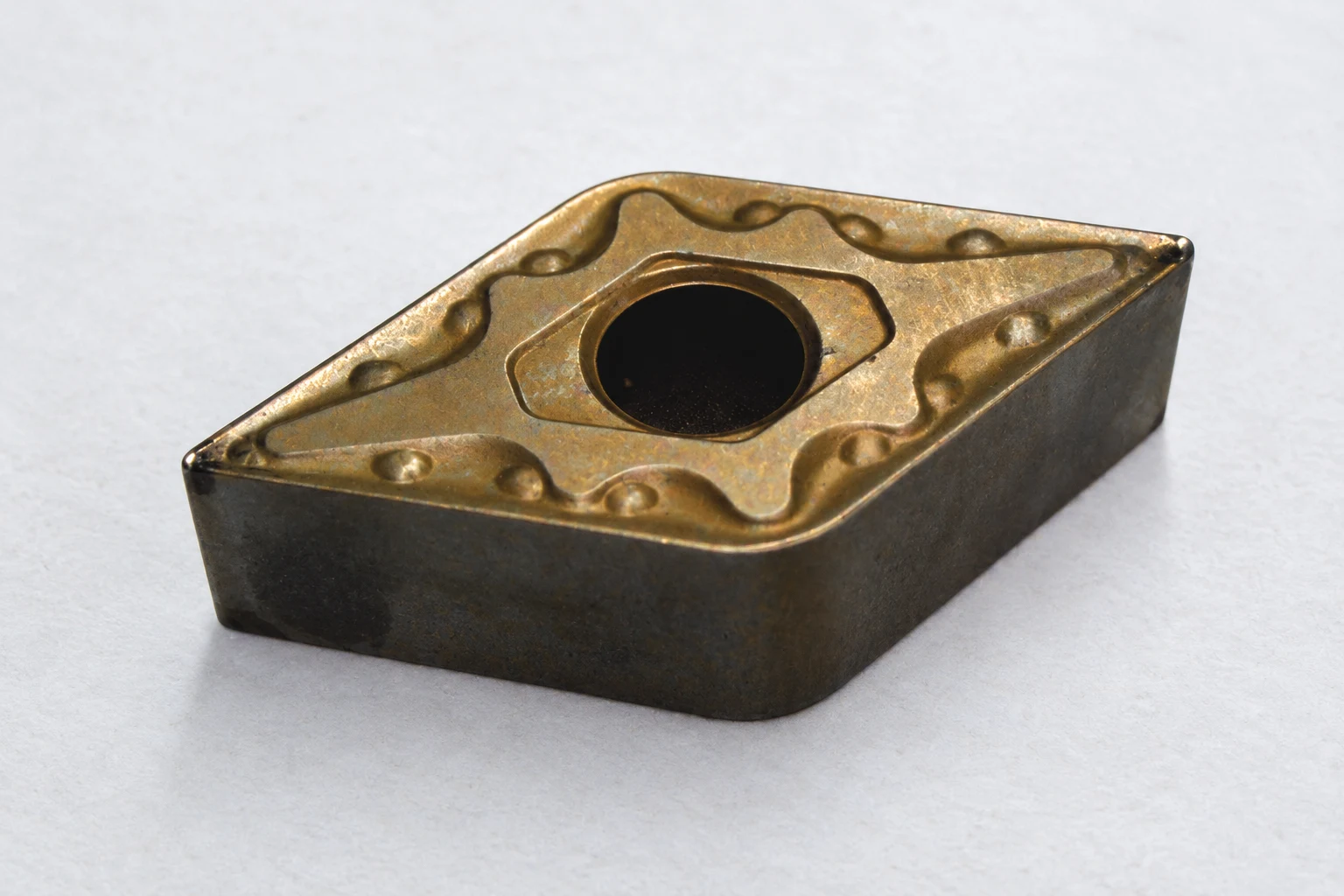
Compare 0.4 and 0.8 mm CNMG nose radii, check finishing and vibration conditions, and prepare the holder and application details for a replacement quote.
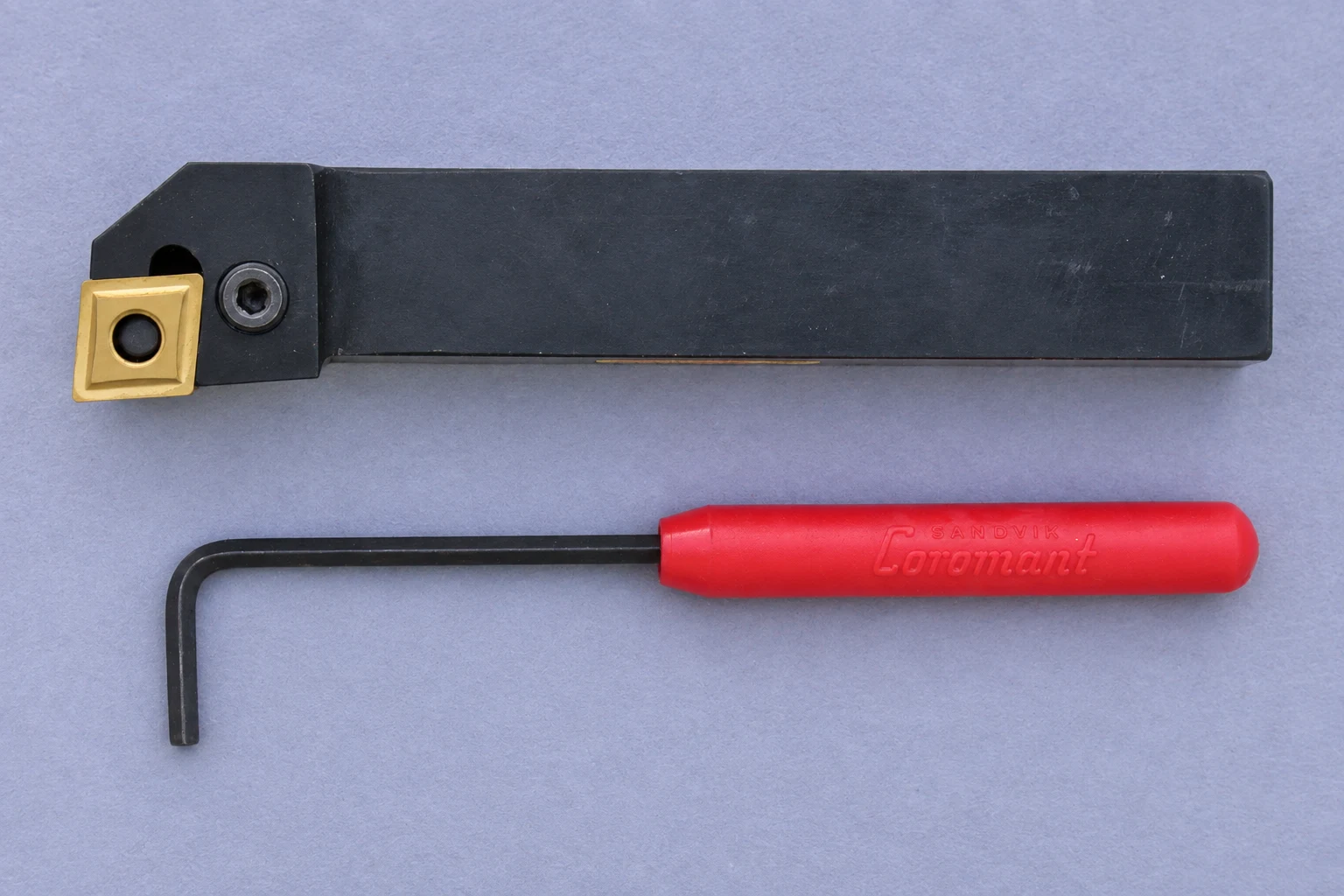
CNMG and CCMT share an 80° C shape, but their 0° and 7° clearance angles require different holder interfaces. Check the full codes before machining.

A 4-flute end mill can cut aluminum, but chip space, engagement and tool geometry decide whether it is the right choice. Compare it with 3-flute options before ordering.

Long reach amplifies deflection and vibration. Diagnose overhang, holder runout, workholding, engagement and toolpath in the right order before changing cutting data.
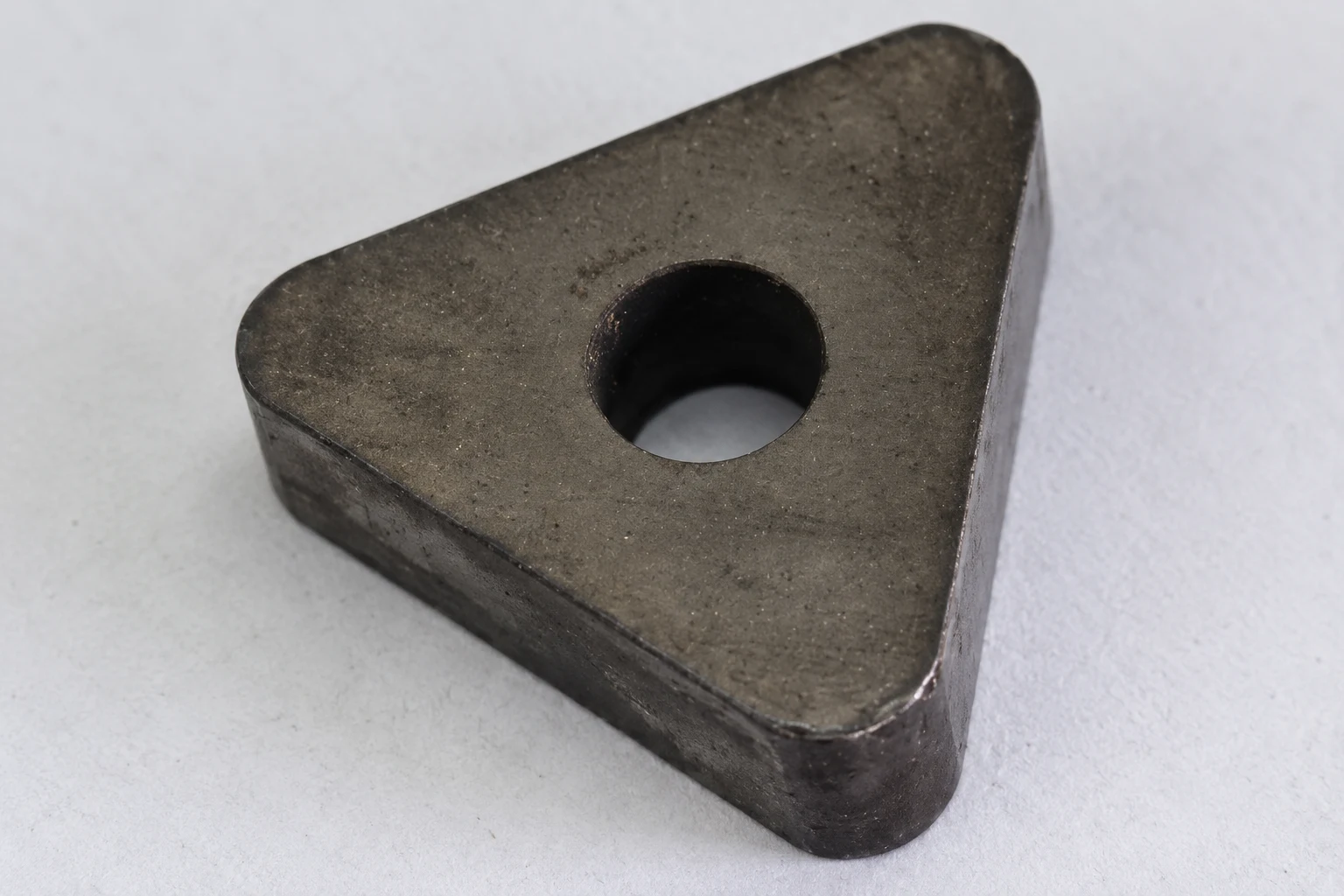
WNMG 080408 and WNMG 060408 share a family code but differ in nominal size. Decode the numbers and verify the holder pocket before replacing one with the other.
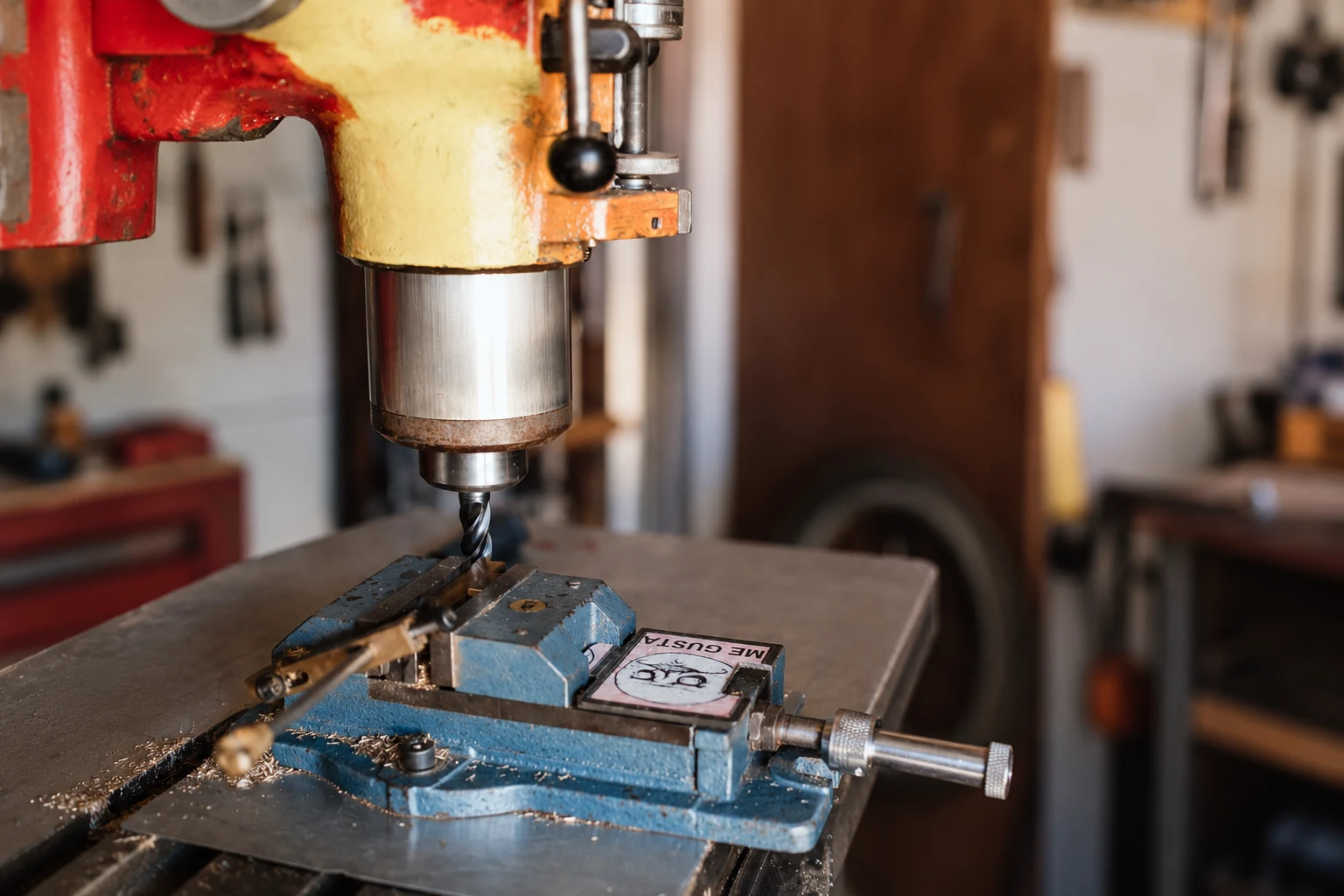
U-drill selection starts with finished-hole diameter and drilling depth, then confirms body length, insert pocket, shank, coolant and machine limits.
Need help before the next article?
Send a model code, photo, drawing or machining requirement. Complete specifications are not required.