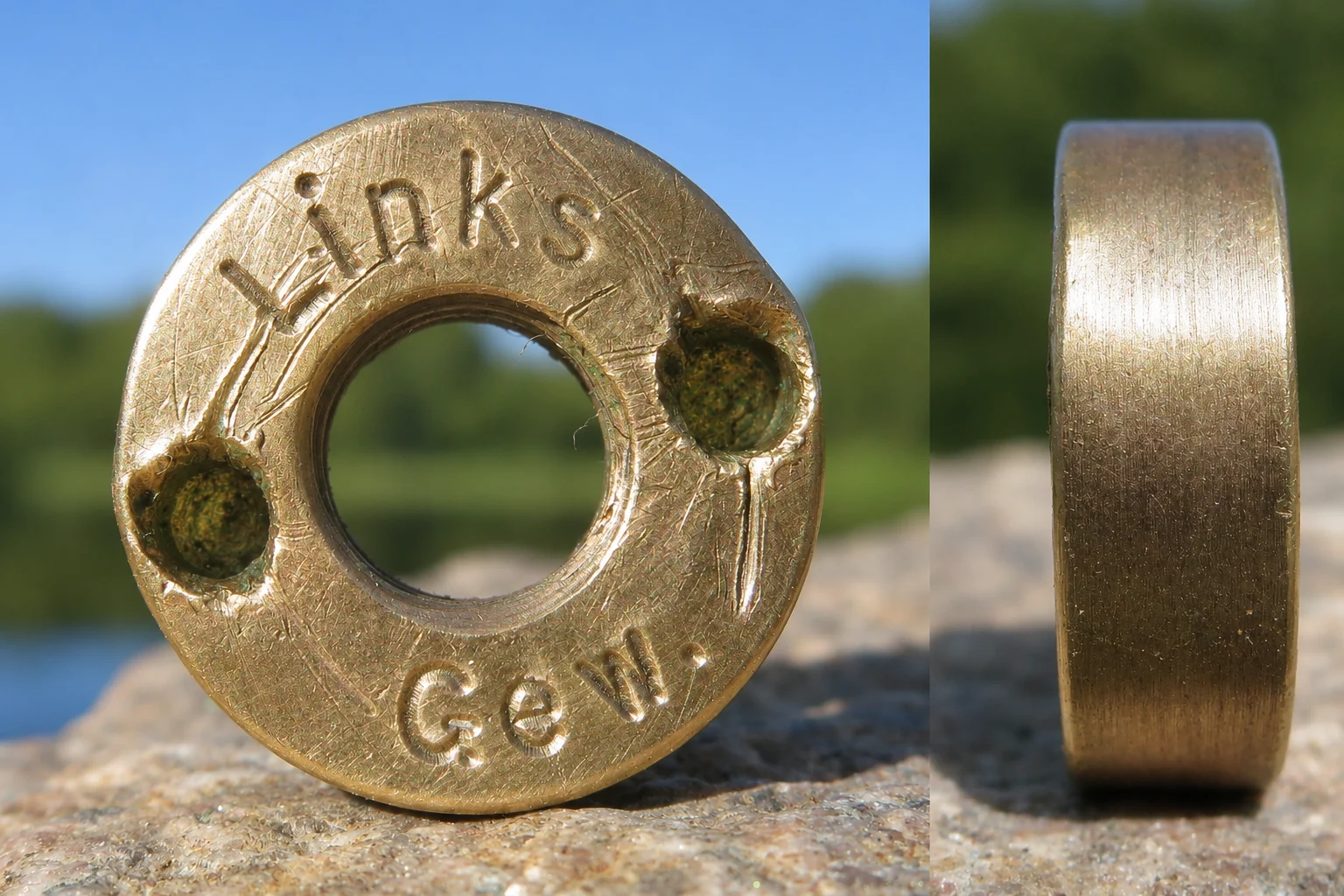
Why a Thread Can Fail Gauging with the Correct Major Diameter
A correct thread major diameter does not prove a thread will pass gauging. Check pitch diameter, the drawing callout and the specified inspection method.


A correct thread major diameter does not prove a thread will pass gauging. Check pitch diameter, the drawing callout and the specified inspection method.
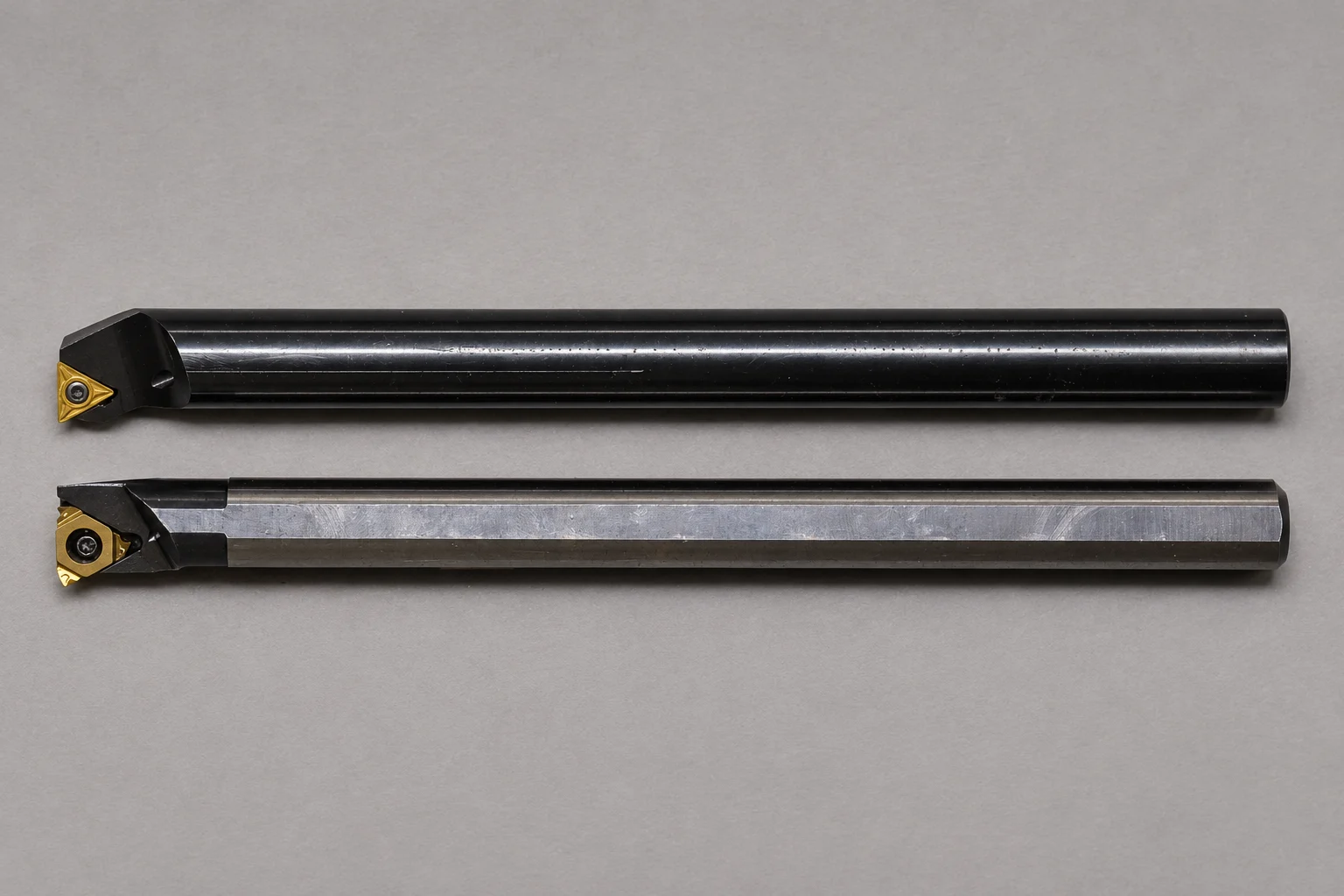
Specify threading tool hand with thread direction, tool orientation and feed direction. Avoid choosing a holder from left-hand or right-hand wording alone.
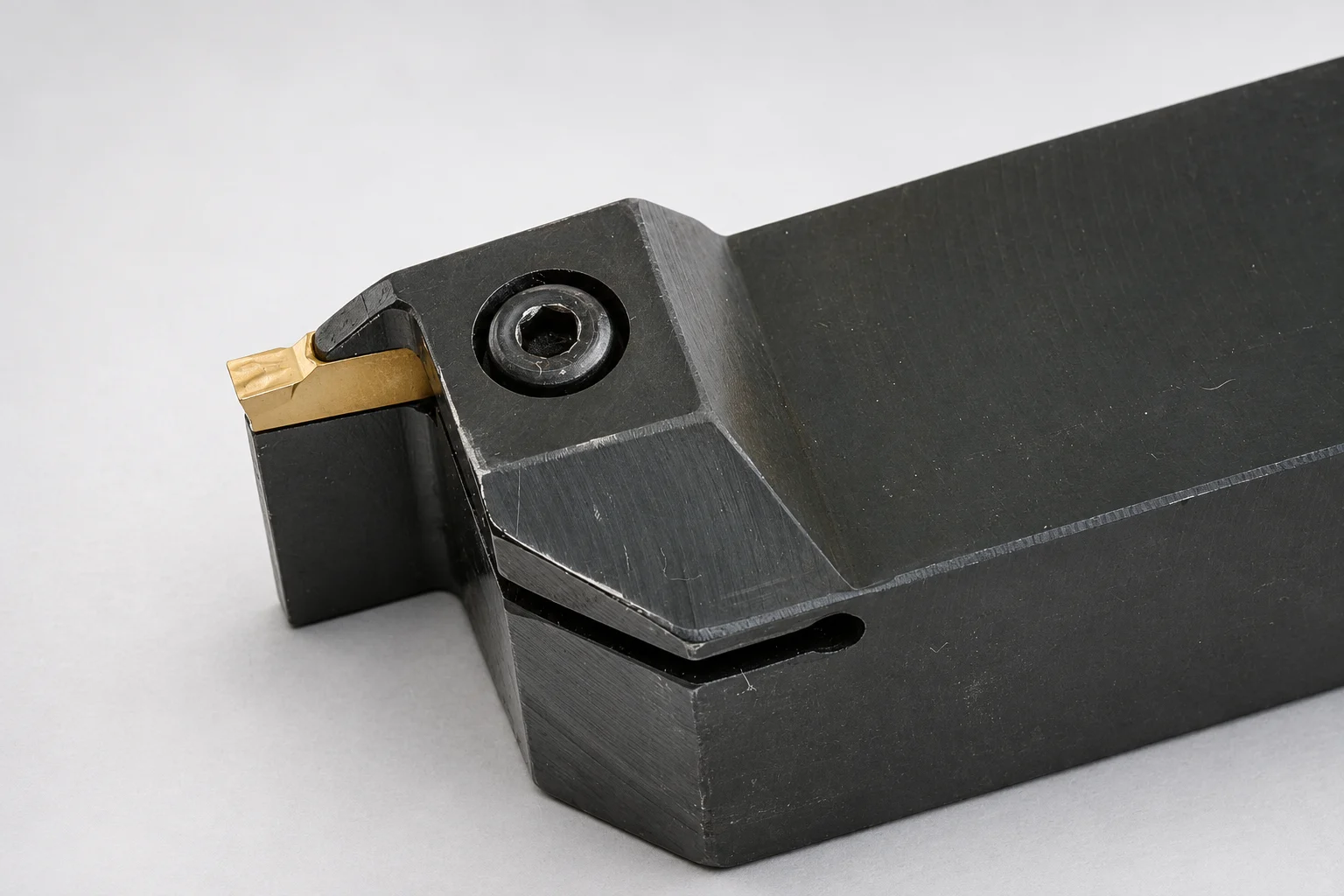
Specify a face grooving tool using the first-cut diameter range, groove width, depth and tool orientation. Avoid ordering by insert width alone.
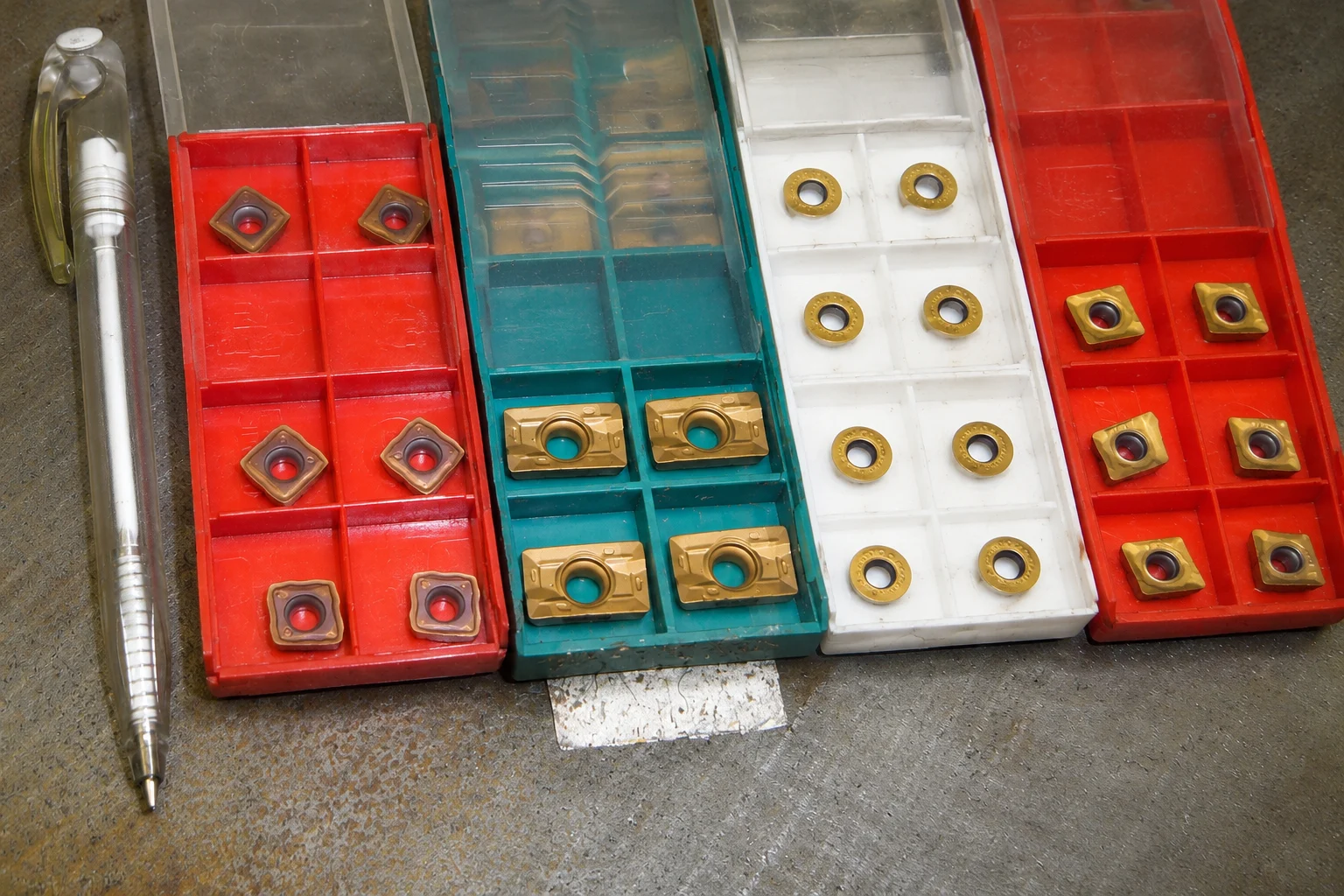
Compare carbide insert costs using accepted parts per usable edge. Work through a clear example and keep machine time, rejects and trial evidence separate.
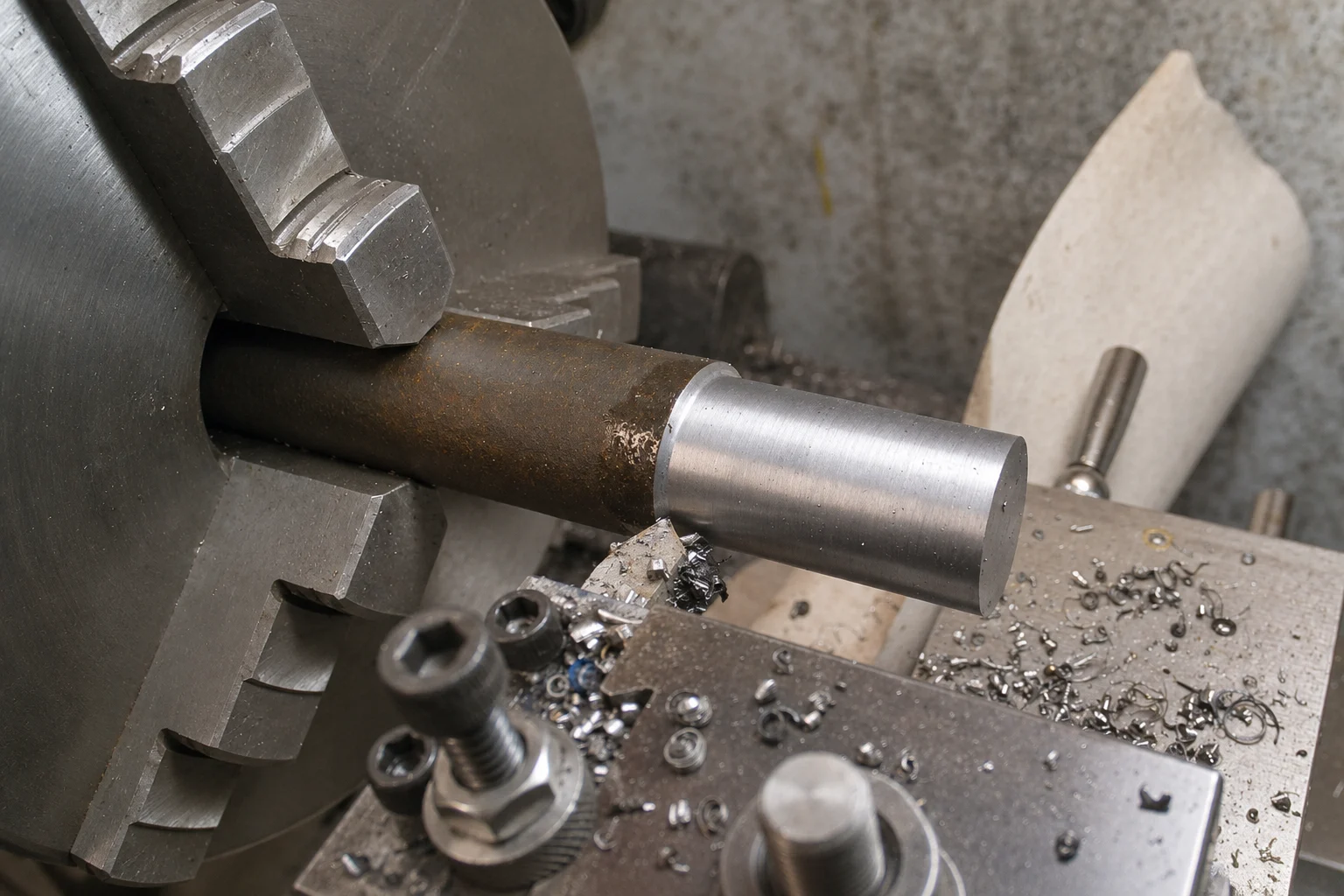
Separate clamping distortion, cutting deflection and measurement effects in thin-wall turning. Record the right evidence before changing inserts or offsets.
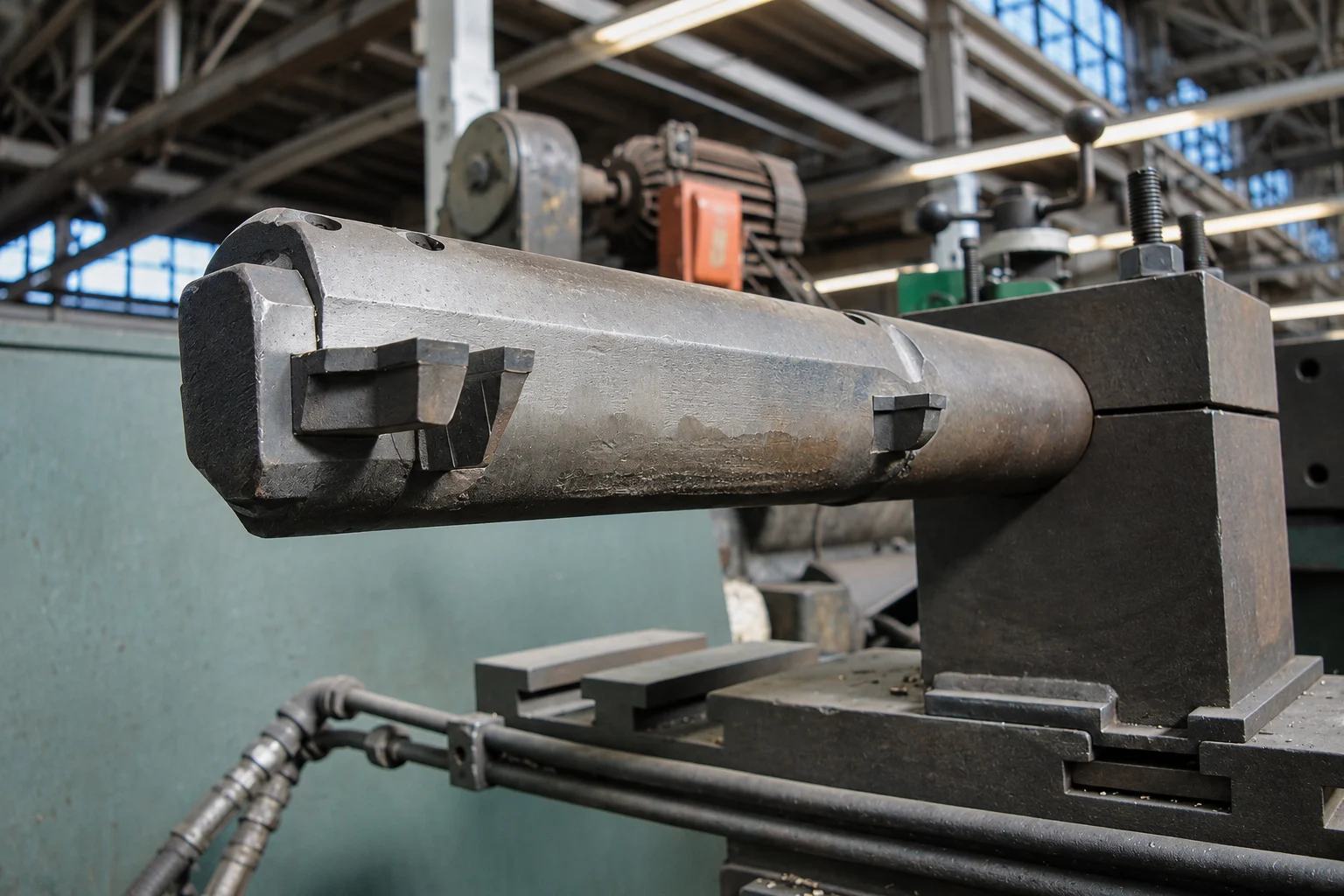
Check boring bar overhang, shank diameter, minimum bore and clamping before ordering. Build a clear specification for an internal turning tool trial.
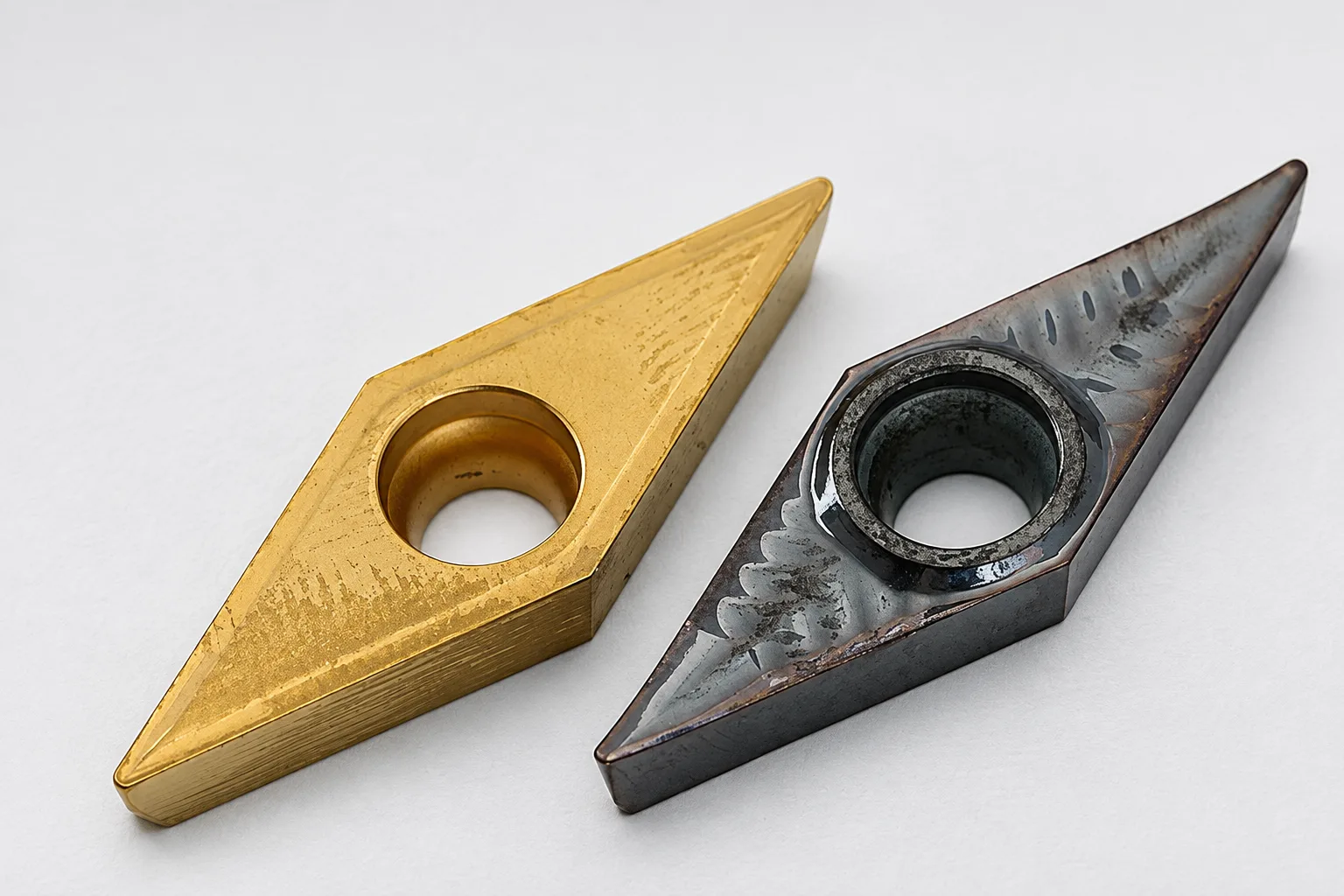
Decide when a wiper turning insert is worth testing. Check setup stability, holder orientation and actual roughness before approving a production change.
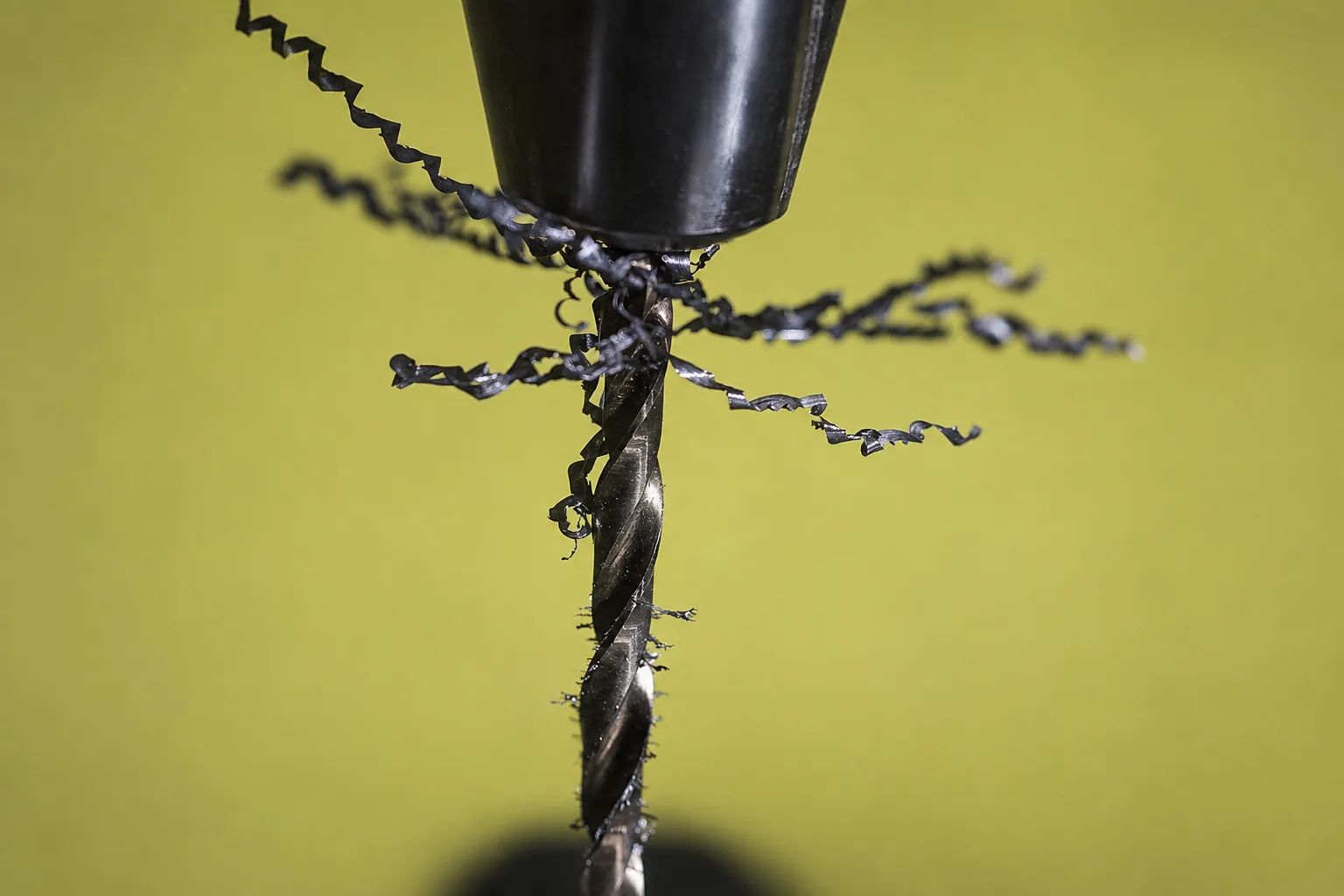
Diagnose chip jamming in an indexable U-drill by checking chip shape, coolant flow and center versus peripheral insert positions before swapping grades.
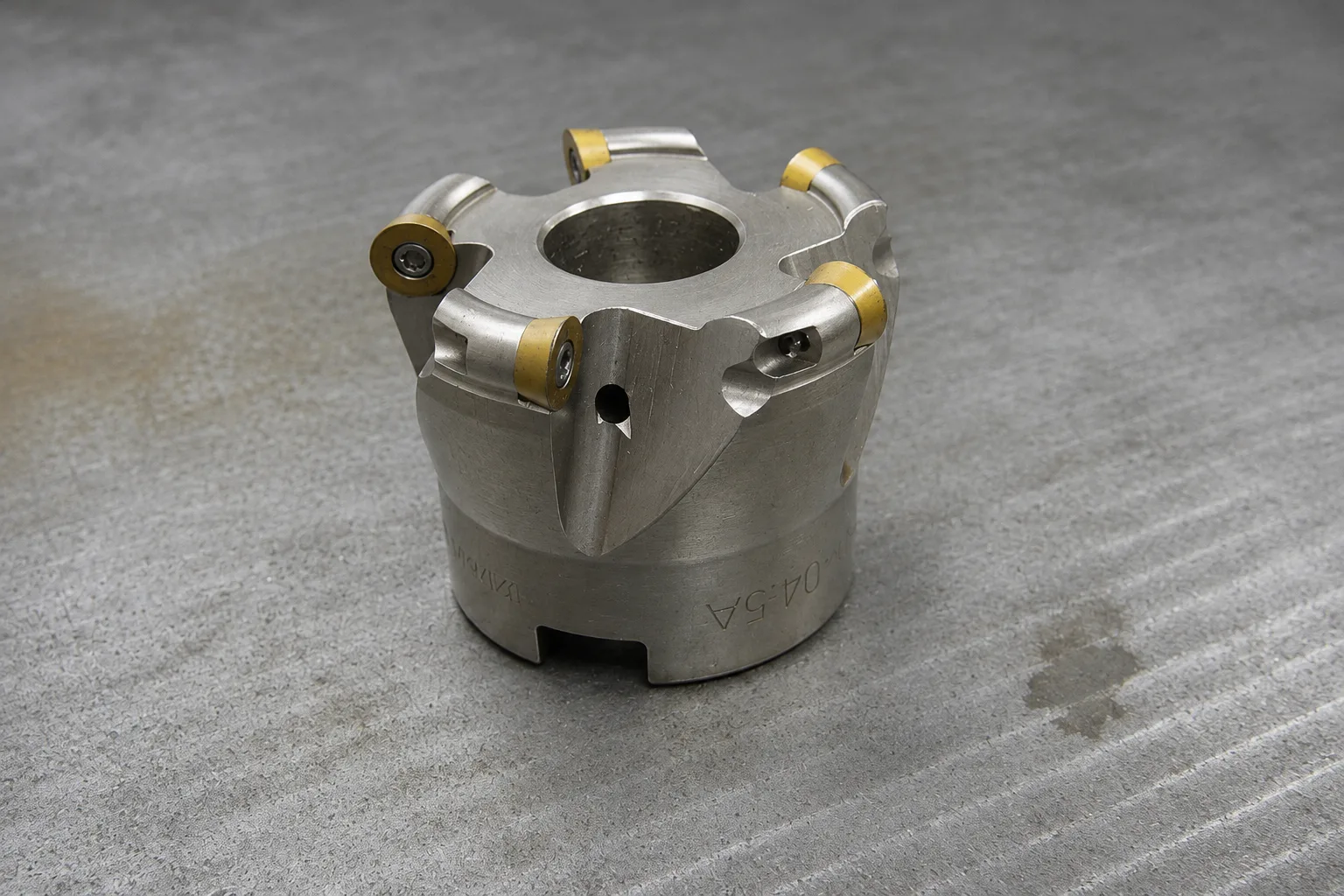
Find the correct milling insert screw and torque for your cutter. Check the seating surfaces, shim, driver and screw before restarting a suspect cutter.
Need help before the next article?
Send a model code, photo, drawing or machining requirement. Complete specifications are not required.