I have a model code
Send the complete code from the insert, box, holder or drawing. We will check the product family, critical dimensions and matching tool.

You do not need a complete specification. Choose the faster route and we will review the missing details before quotation.
Send the complete code from the insert, box, holder or drawing. We will check the product family, critical dimensions and matching tool.
Tell us the operation, workpiece material, machine or current holder, and the problem you want to solve. A photo or drawing is enough to start.
Minimum order quantity, sample terms, availability, price and delivery are confirmed for the selected model in the quotation.
Send the feature width, depth and corner requirement; we will define the cutting envelope.
Send the material, engagement and toolpath; we will review flute count and chip space.
Send the required access depth and holder; we will keep projection controlled for stable milling.
Send shank size, gauge length and runout target; we will review the spindle assembly.
Our Product
Our Product
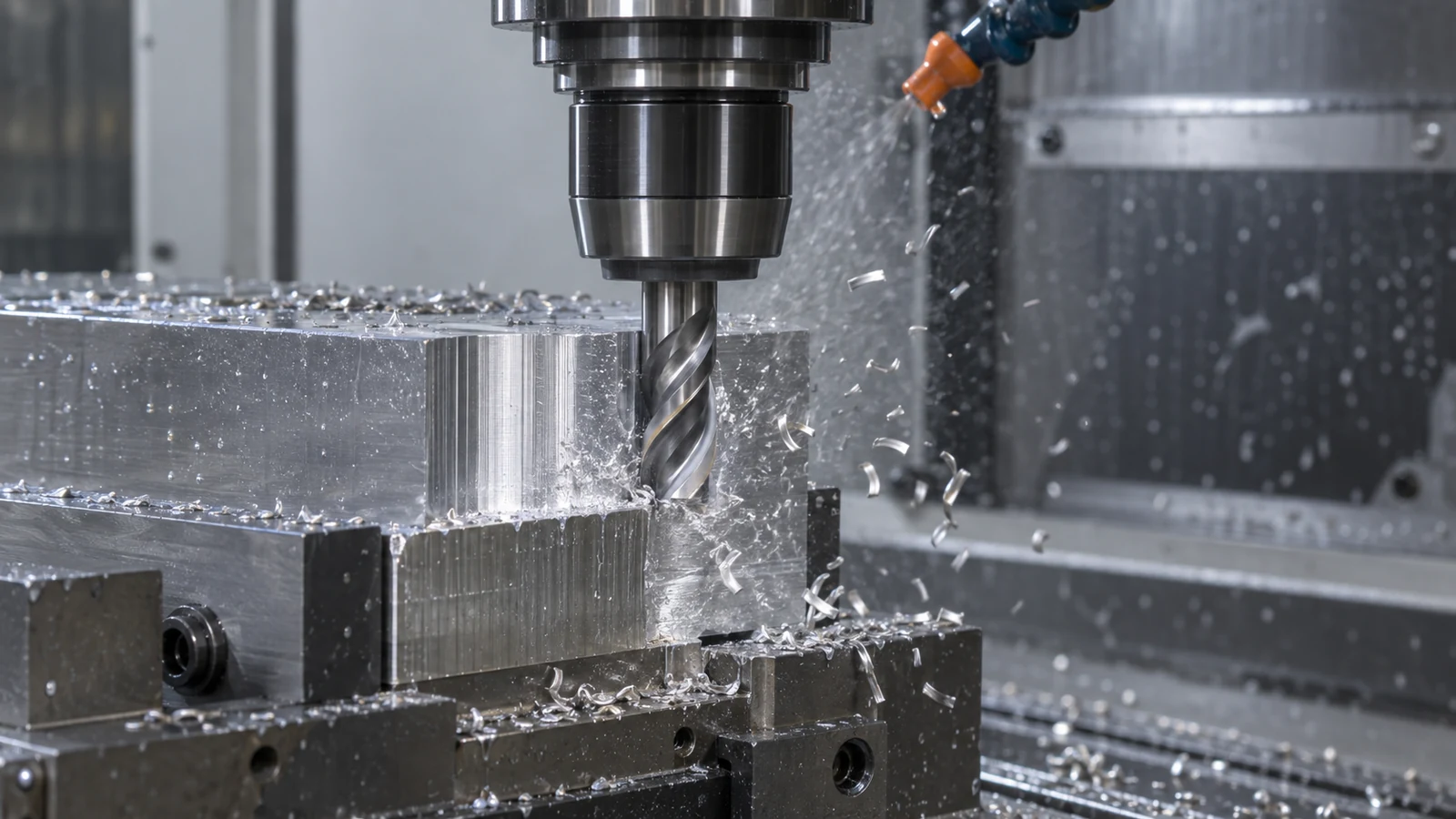
Side Milling
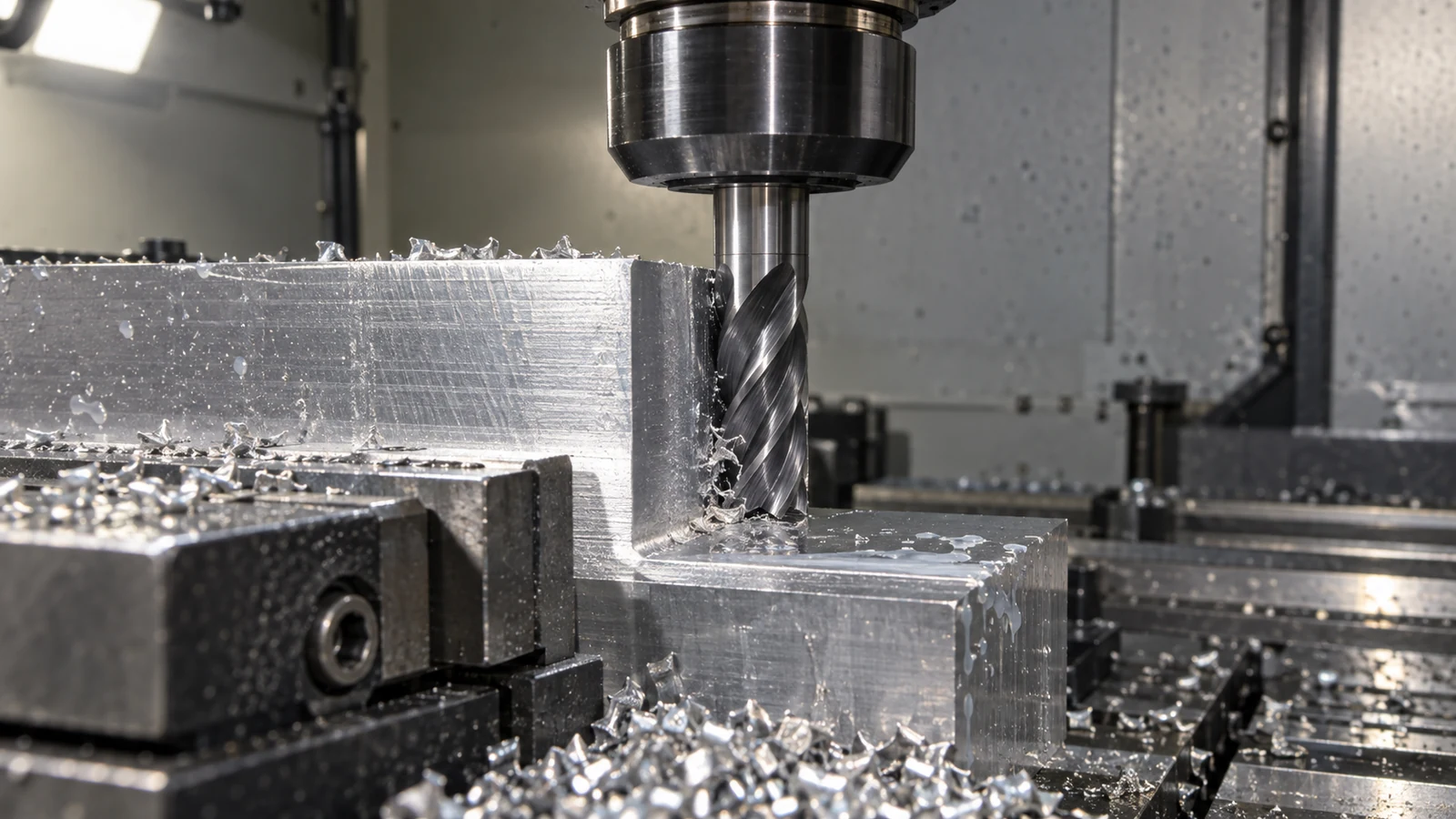
Square-shoulder Milling

Slot Milling

Pocket Milling
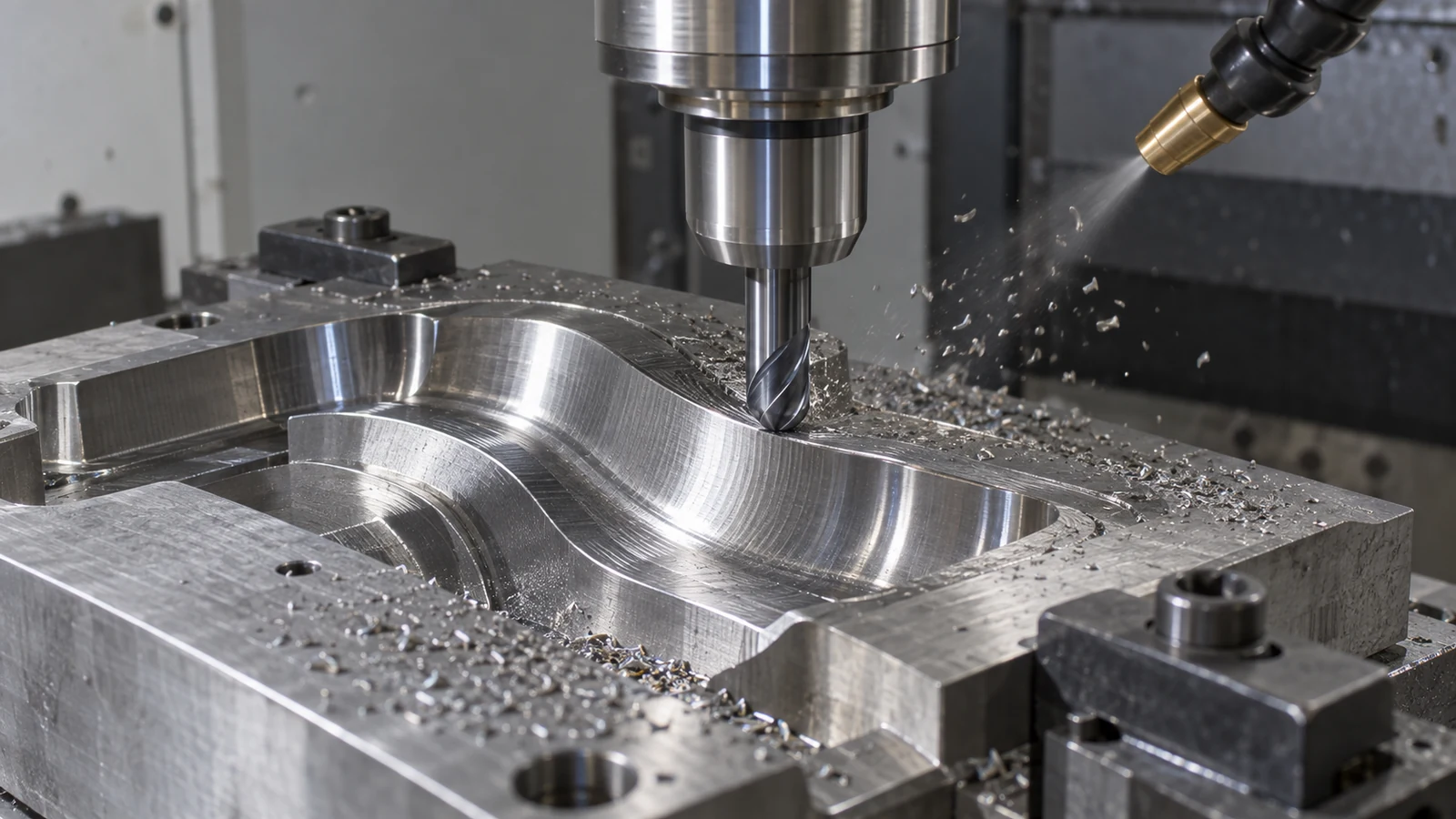
Profile Contouring
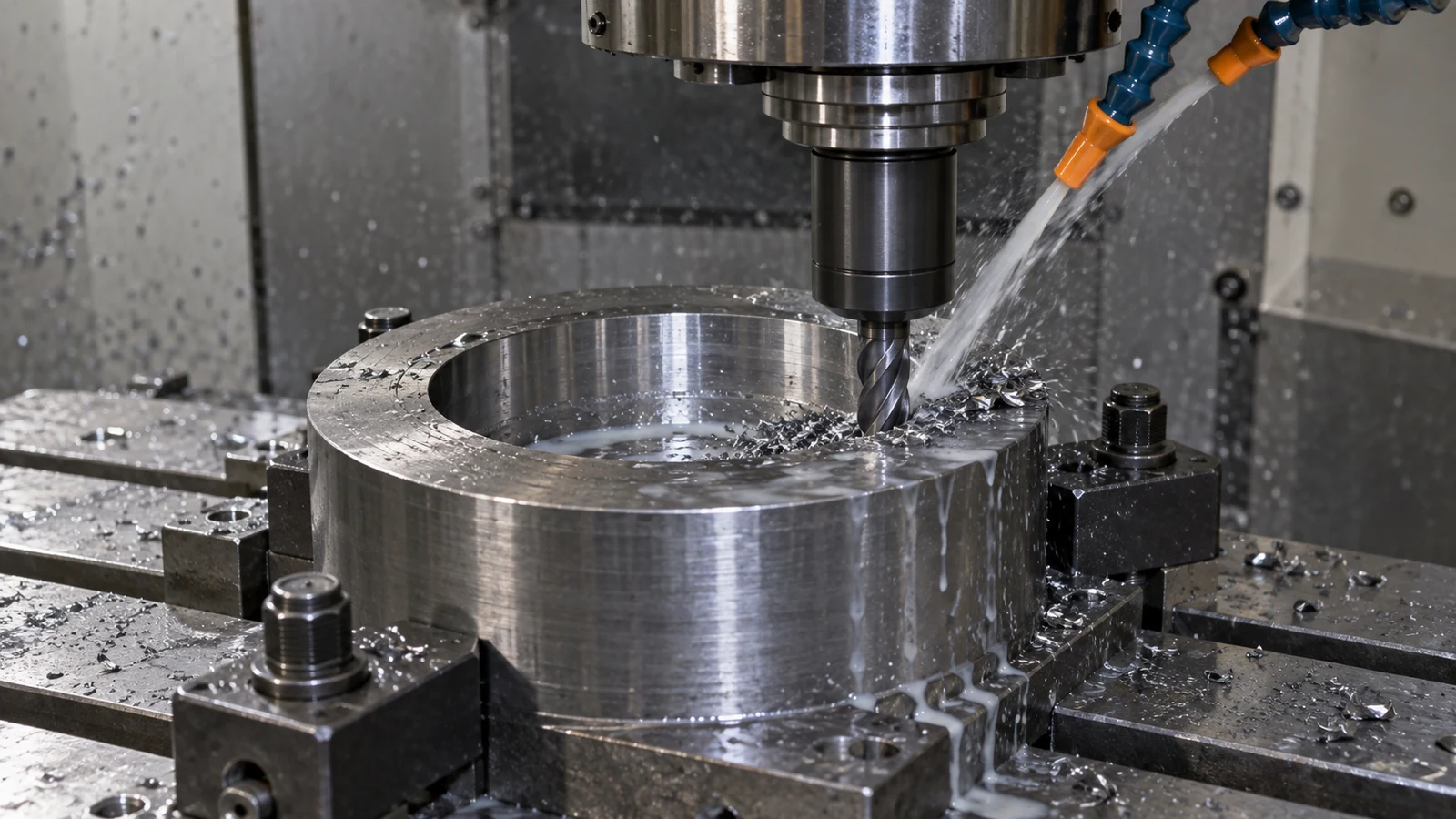
Helical Entry
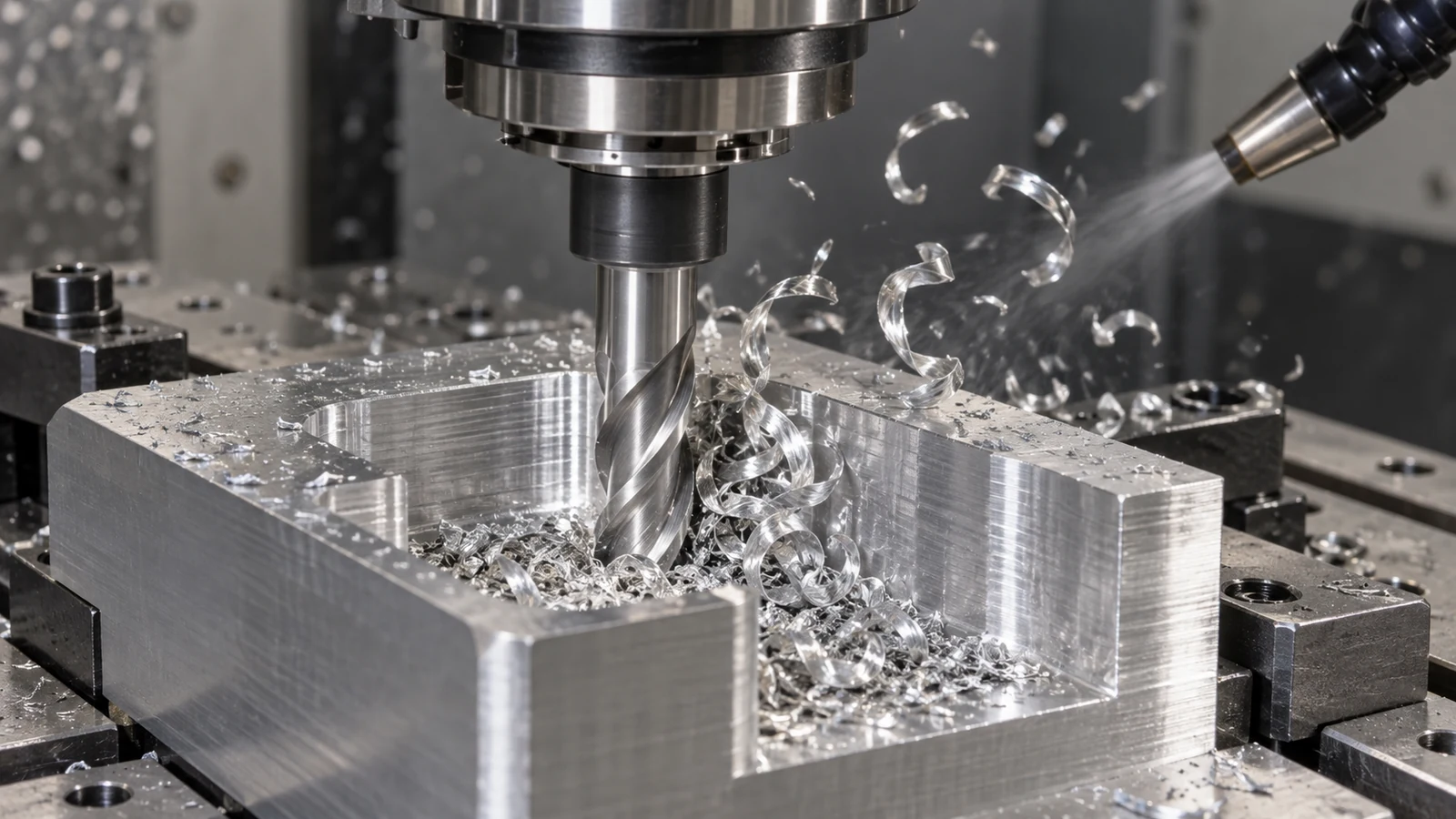
High-speed Aluminum Milling
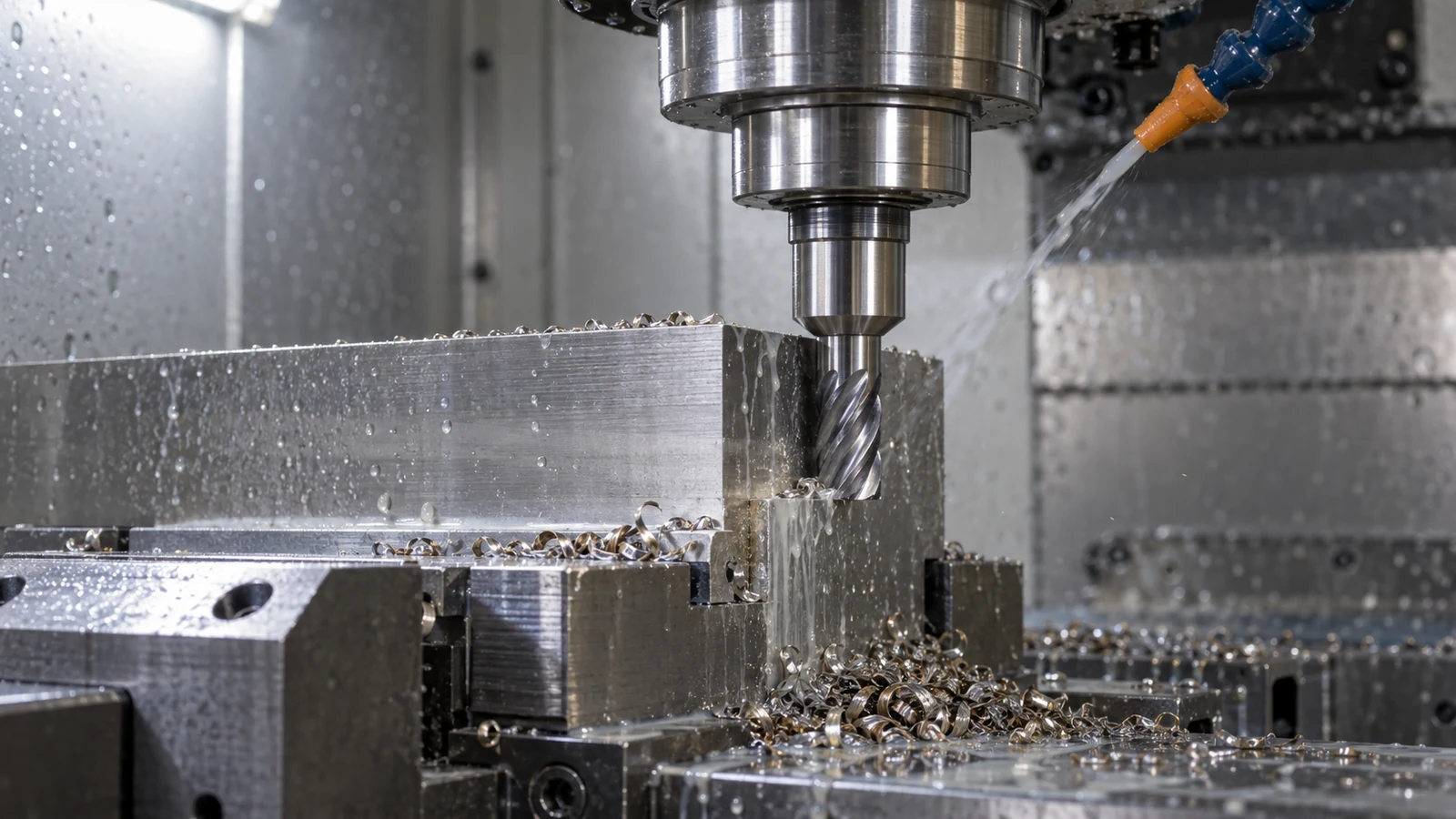
Stainless-steel Side Milling
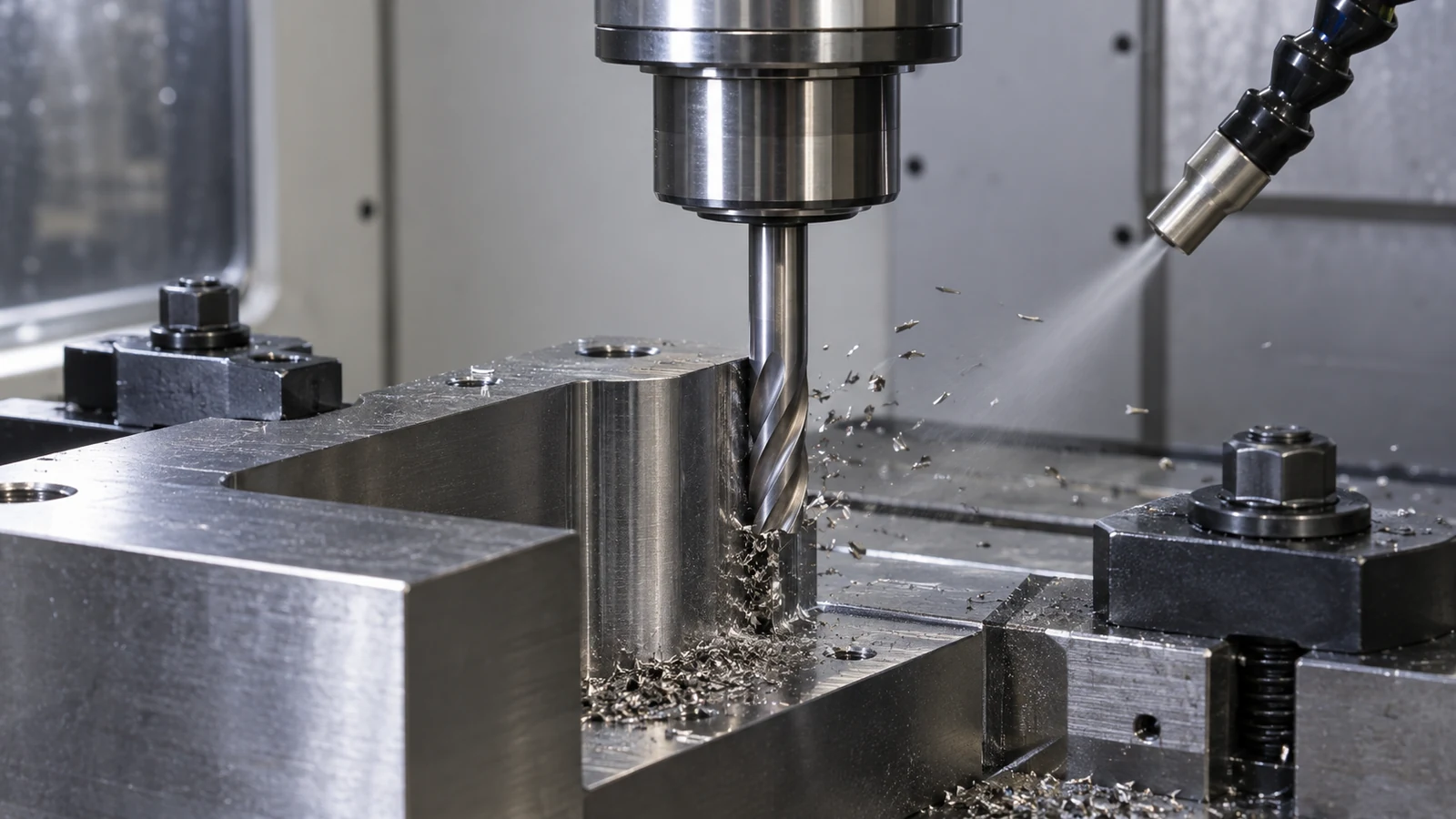
Hardened-steel Light Cutting
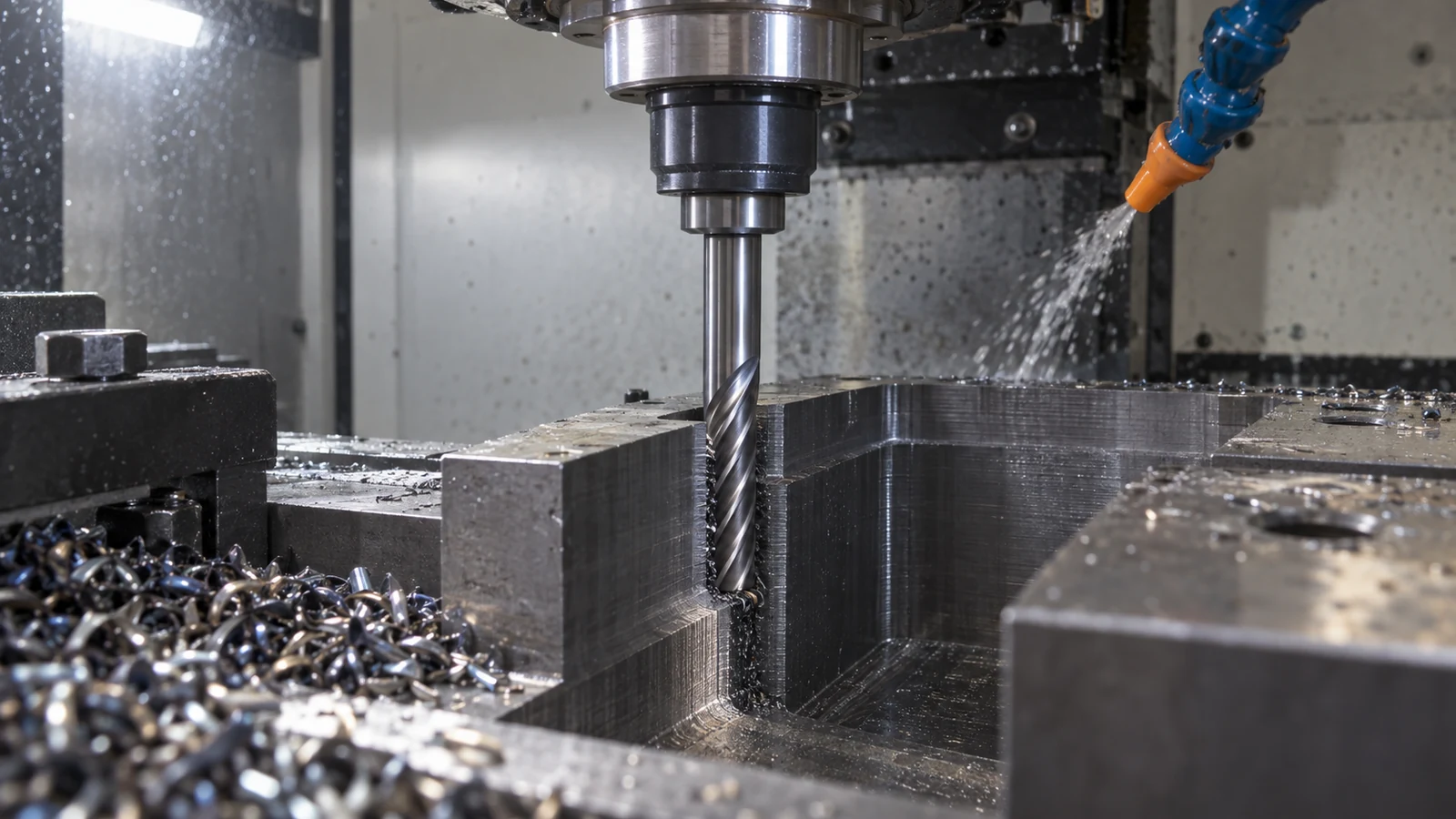
Deep-cavity Long-reach Milling
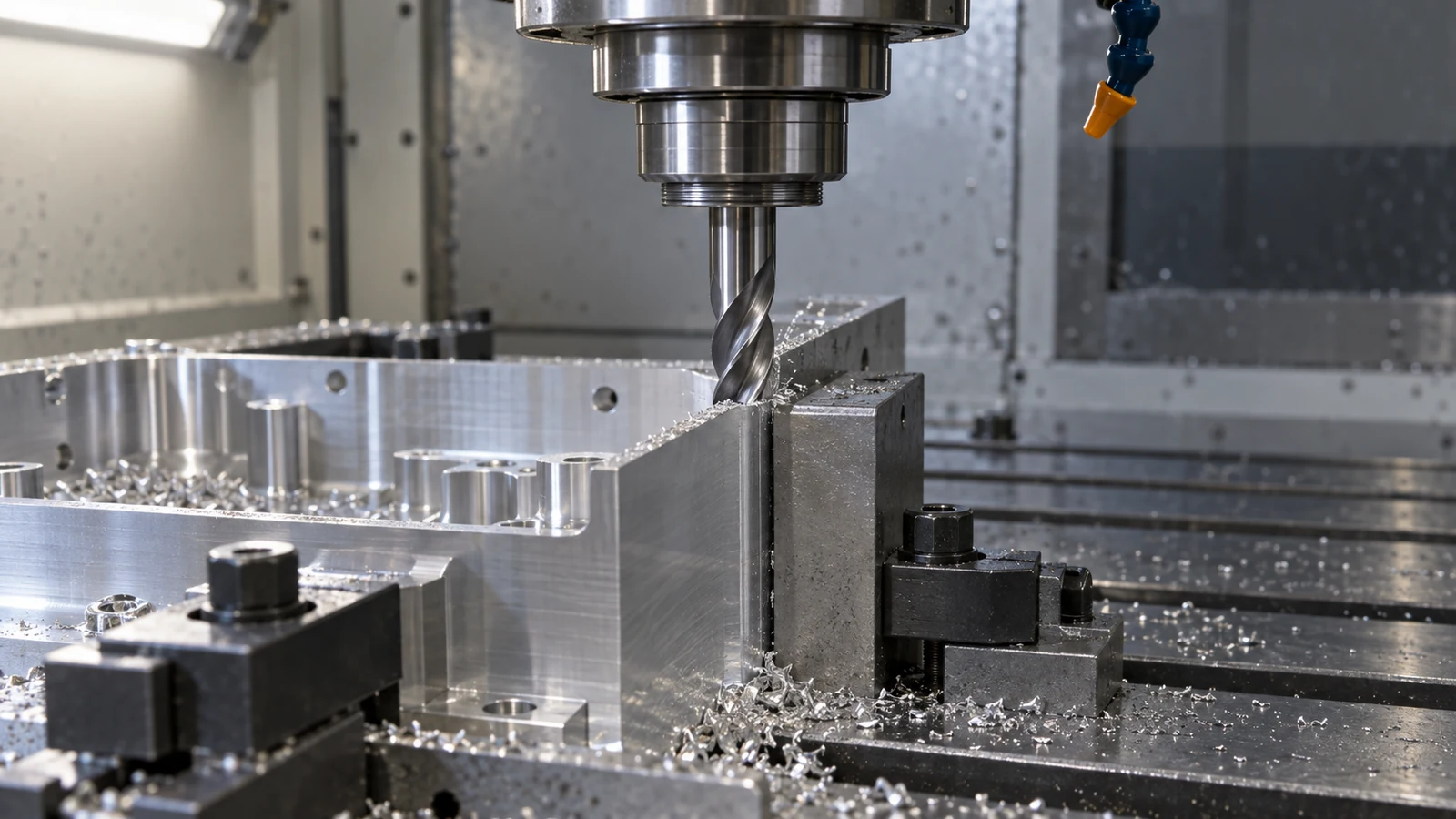
Thin-wall Machining
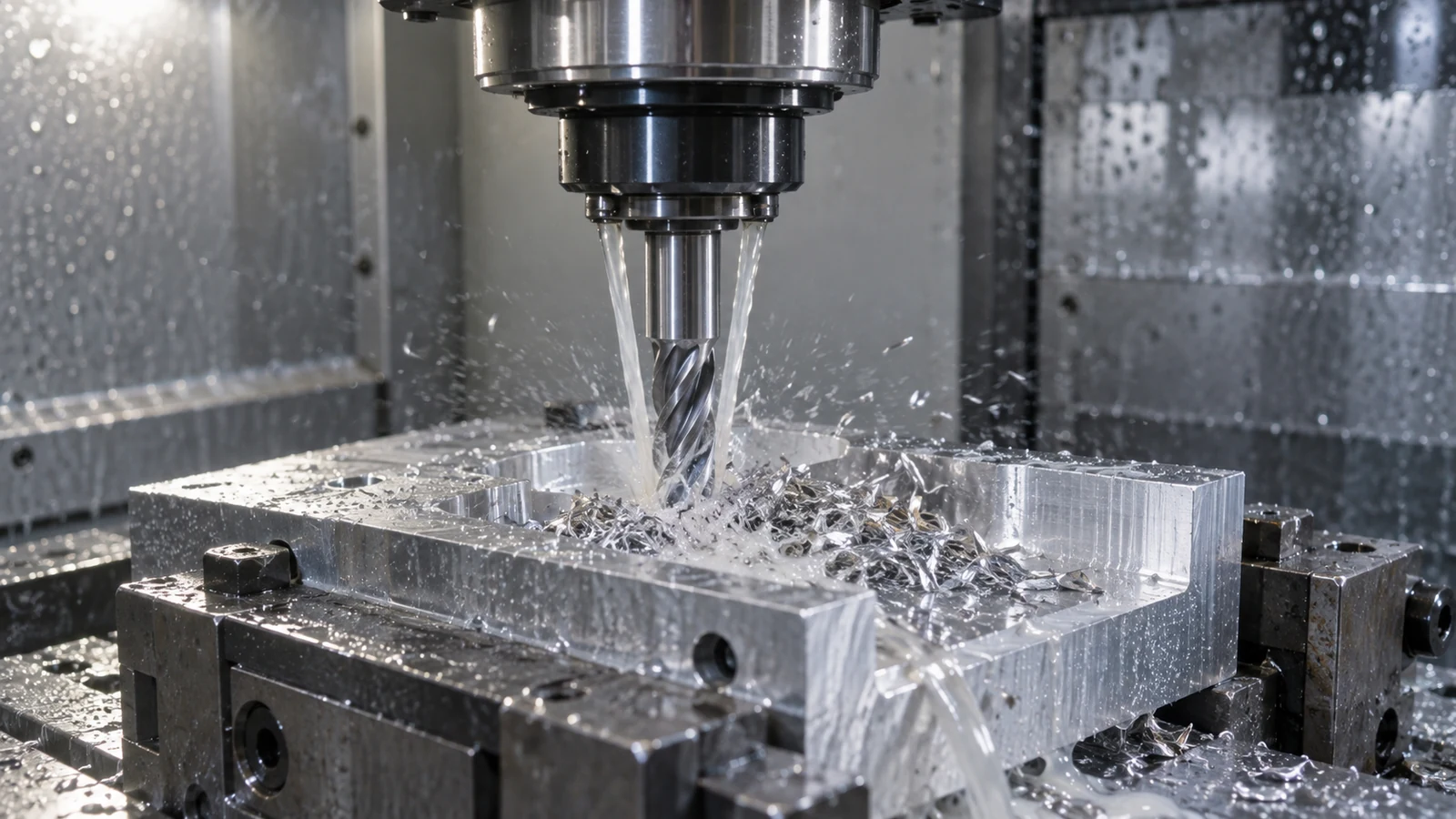
Through-spindle Coolant Evacuation
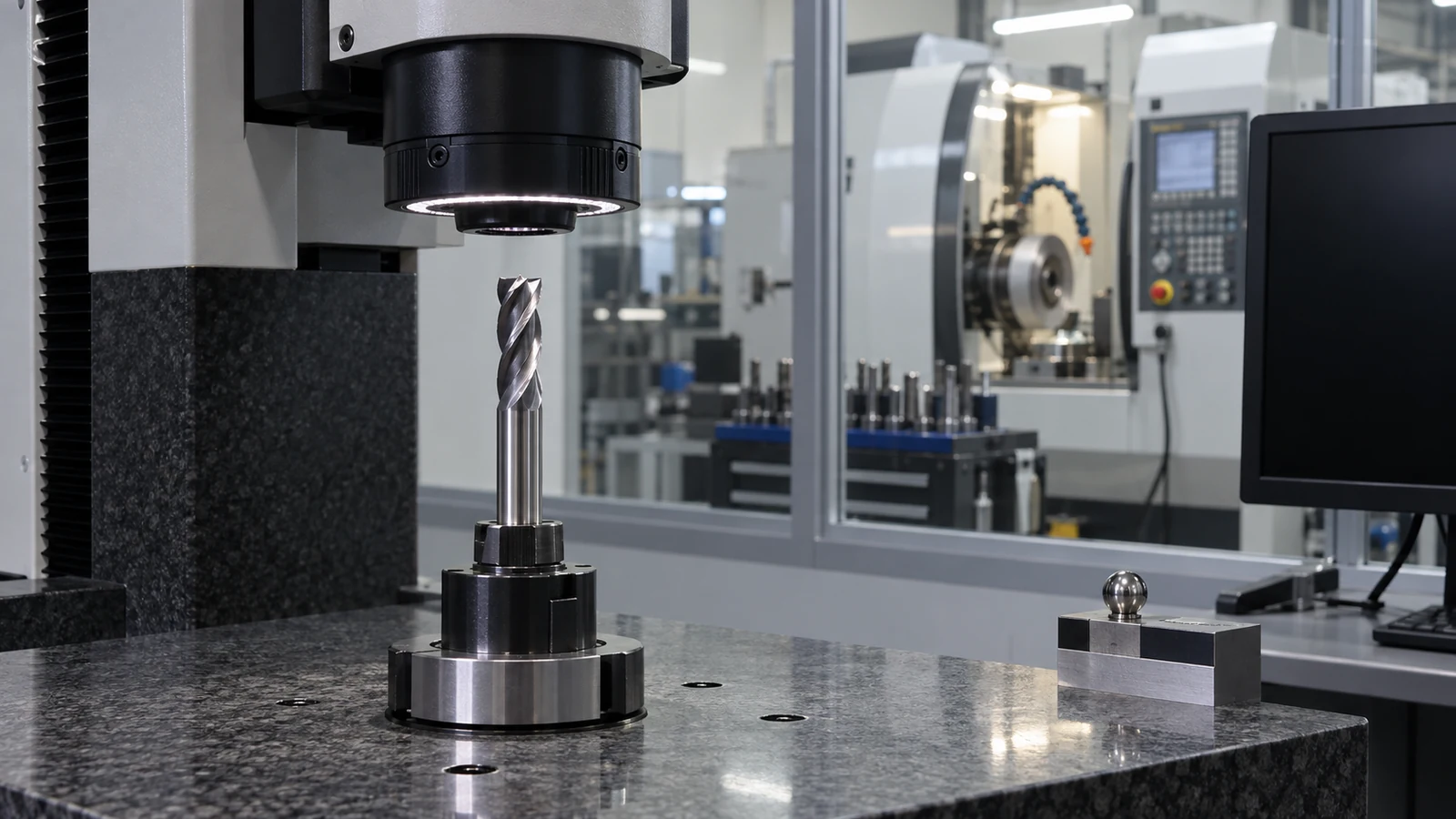
Define diameter, cutting length, corner form and usable reach from the component feature.

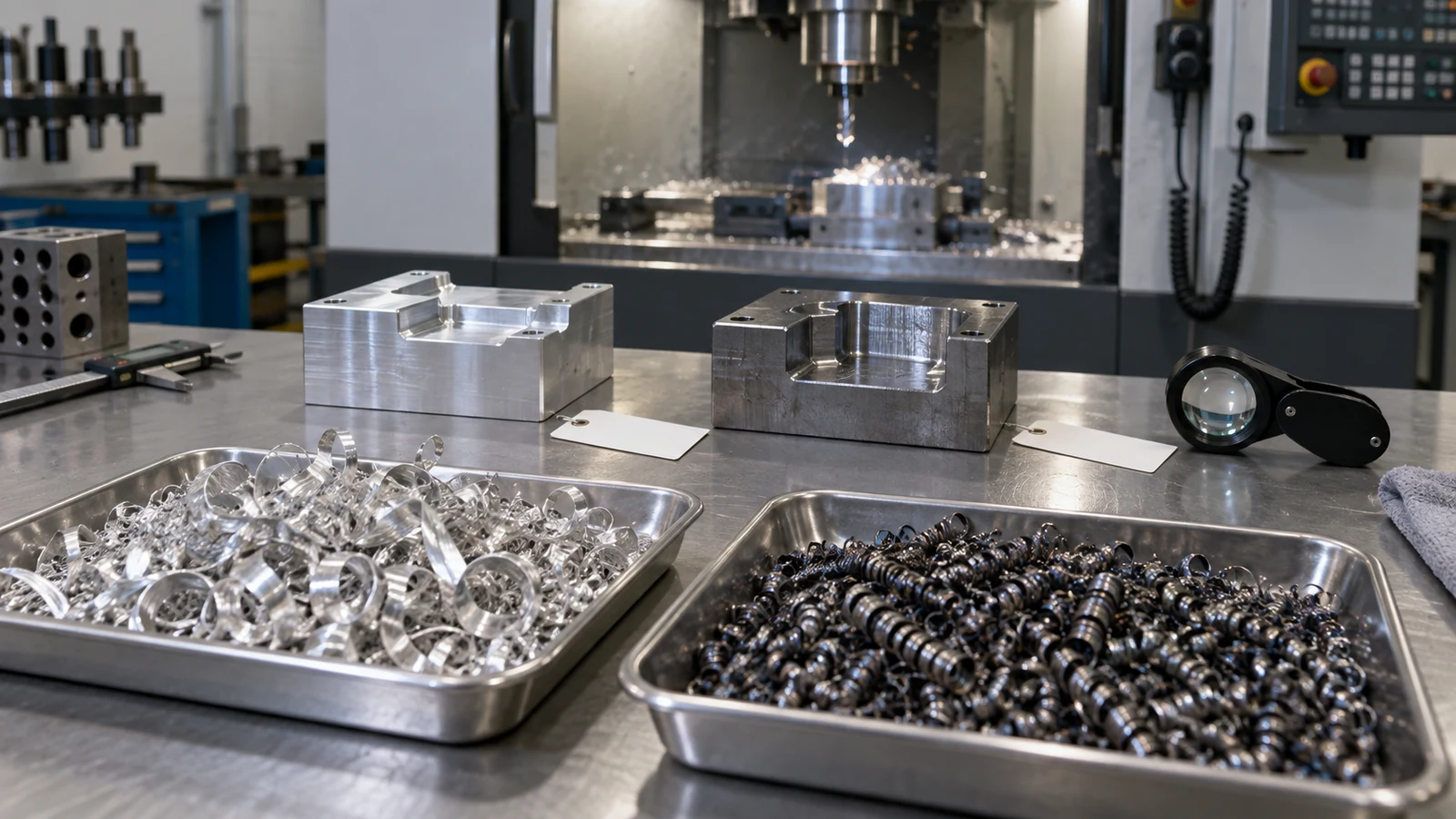
Relate flute geometry and chip space to workpiece material, radial engagement and tool path.
Review shank interface, projection, runout, coolant or air delivery and machine stability.
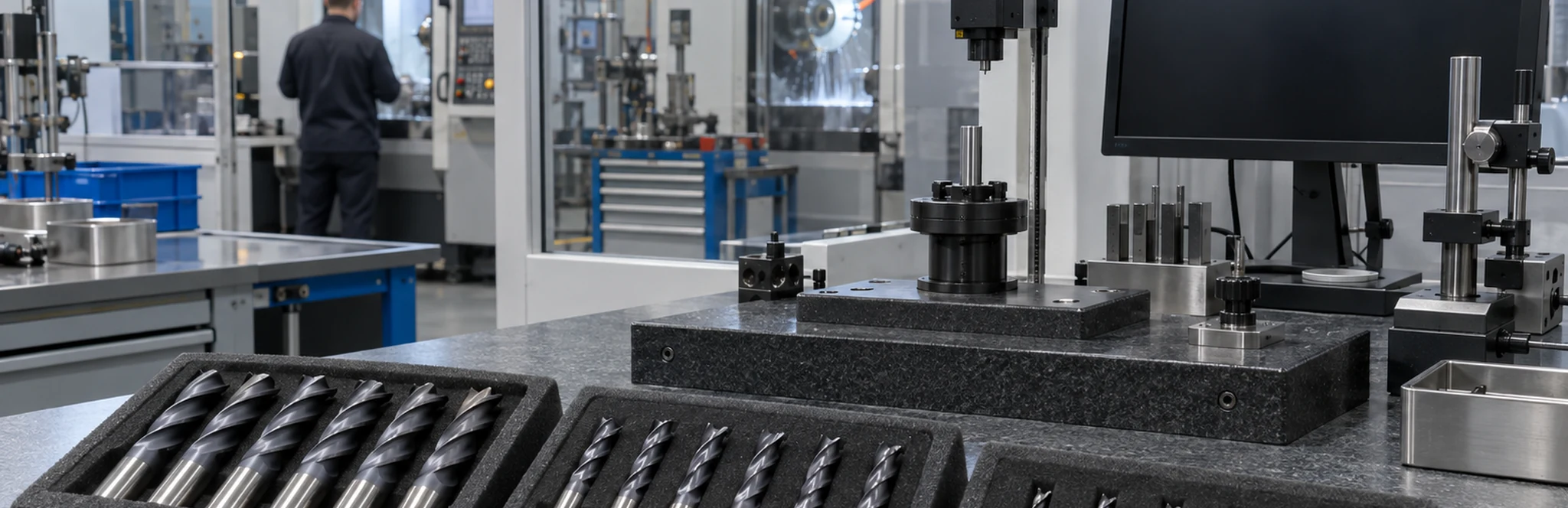
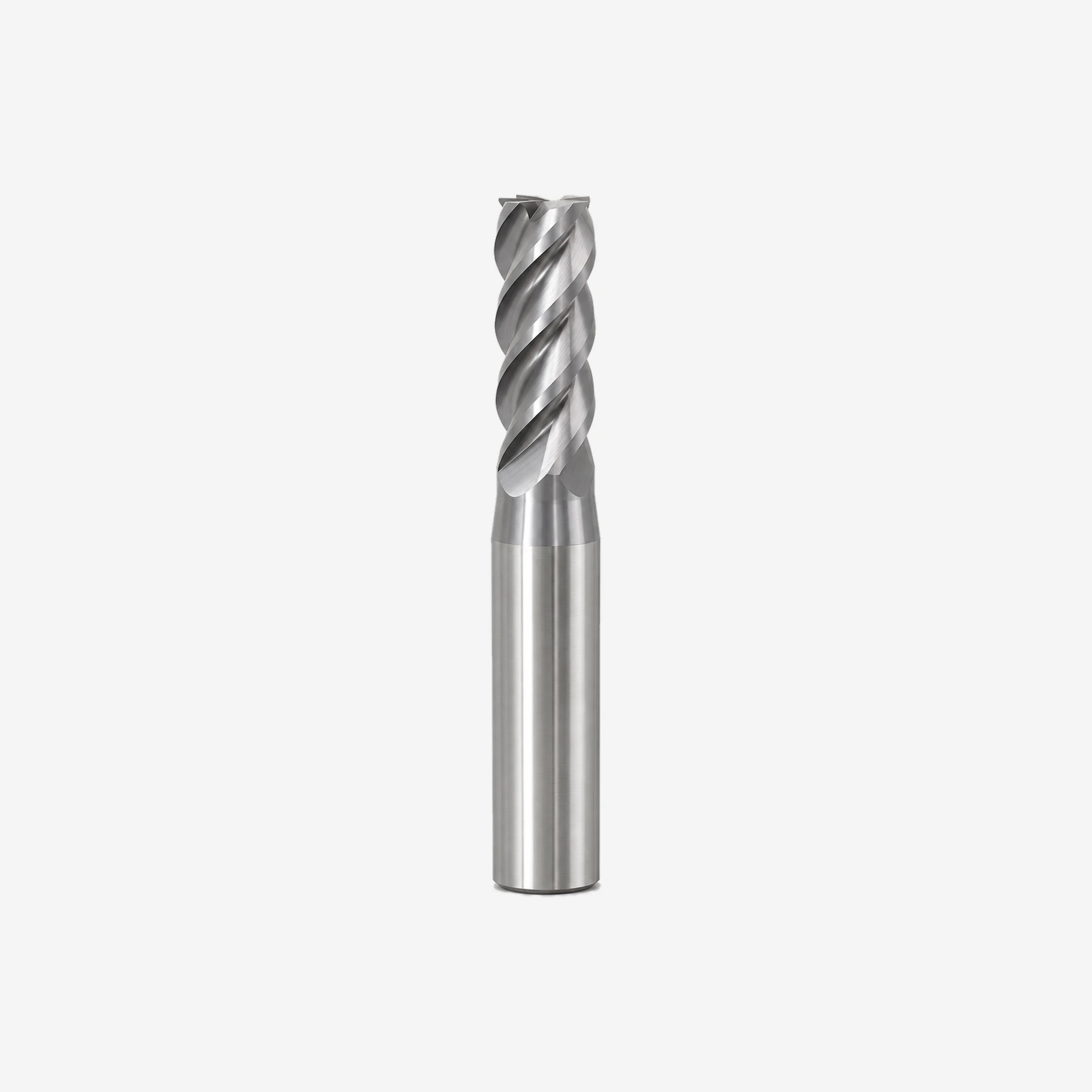
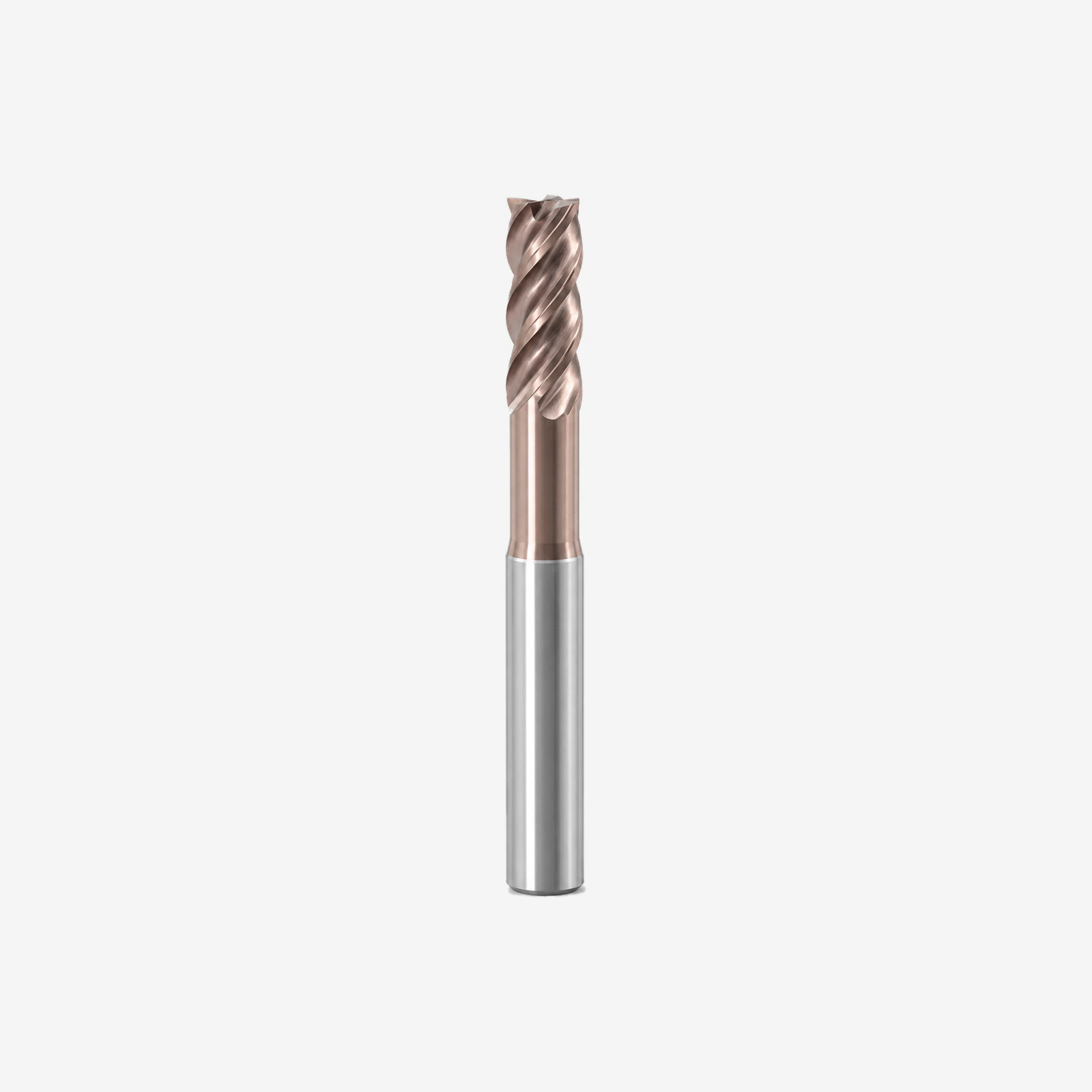
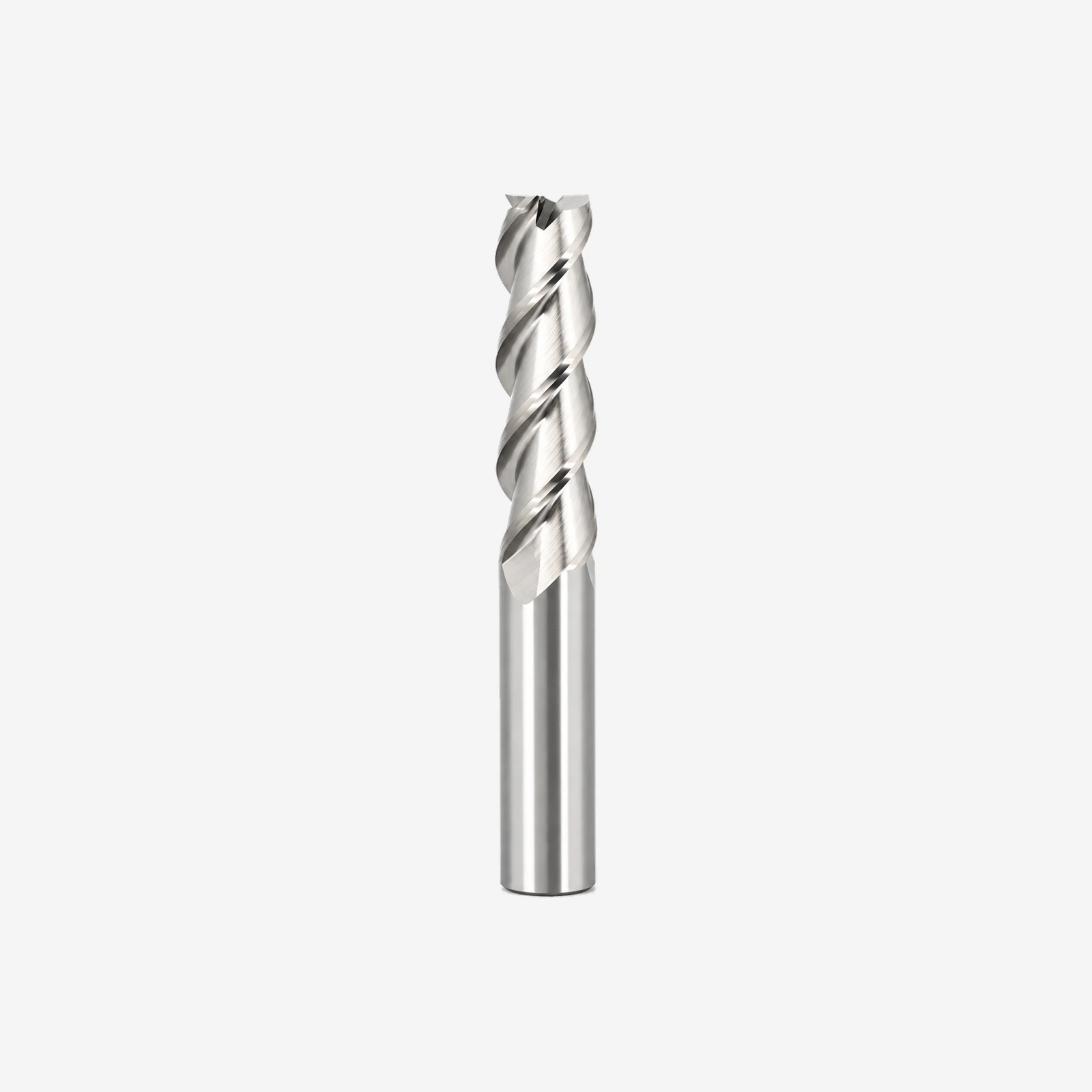
Solid carbide end mills selected by diameter, cutting length, reach, flute geometry, holder interface and workpiece application for slotting, shoulder, pocket and profile milling.
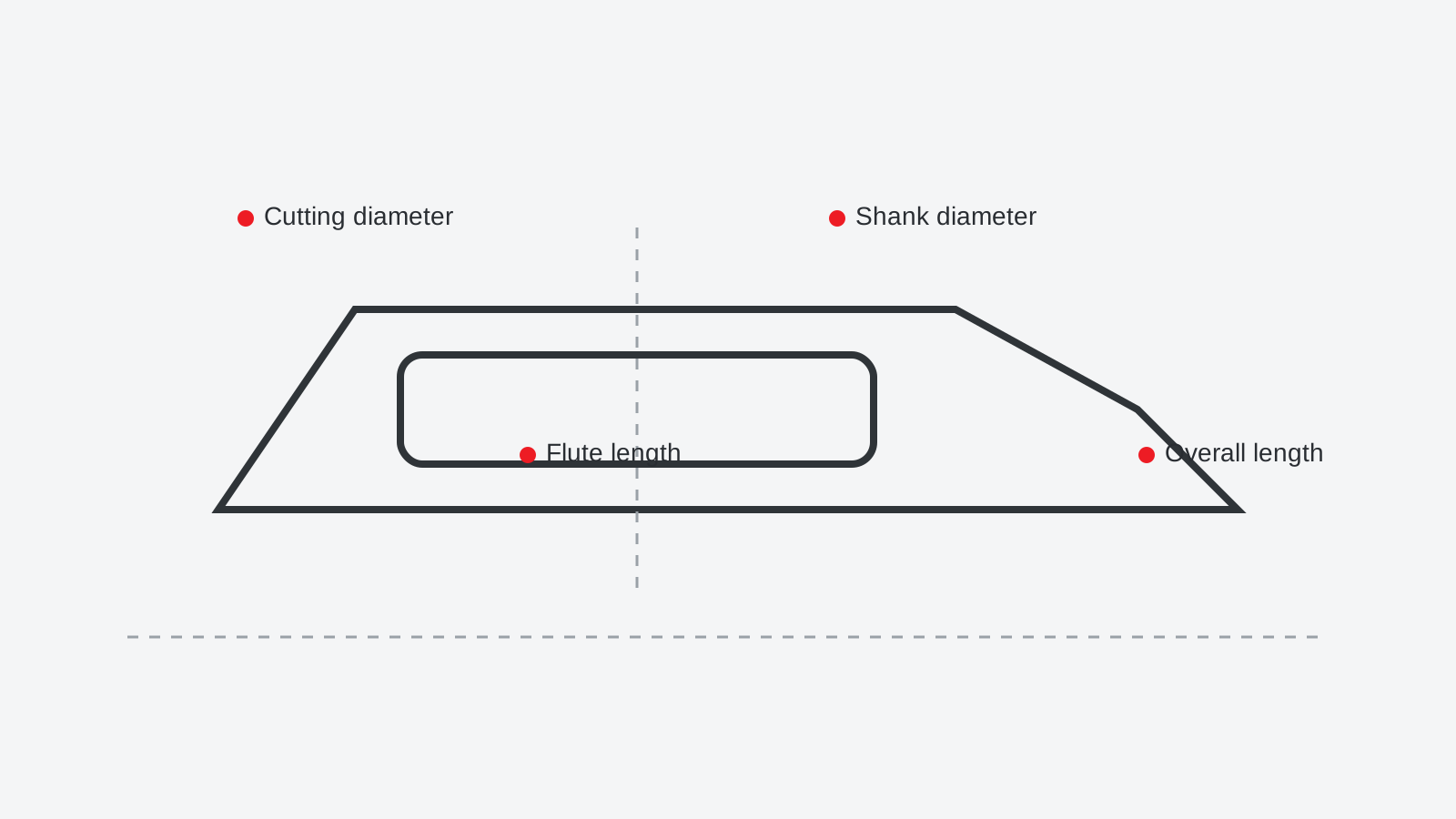
Cutting diameter, flute length, shank diameter and overall length. Use the feature width, depth and corner requirement to define the cutting envelope.
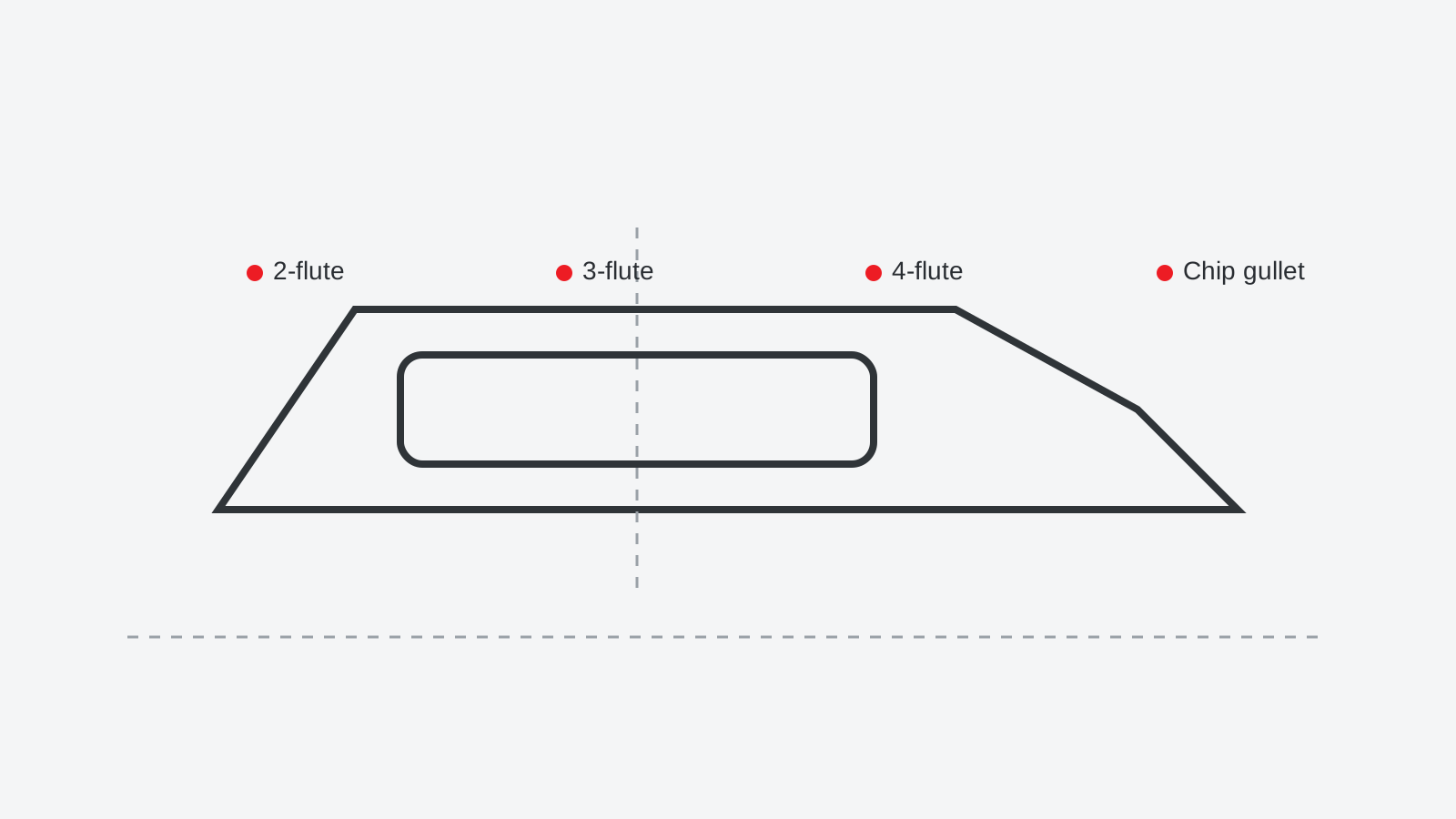
Flute count and chip-gullet cross-section concepts. Relate flute count and gullet volume to material, engagement and chip evacuation.
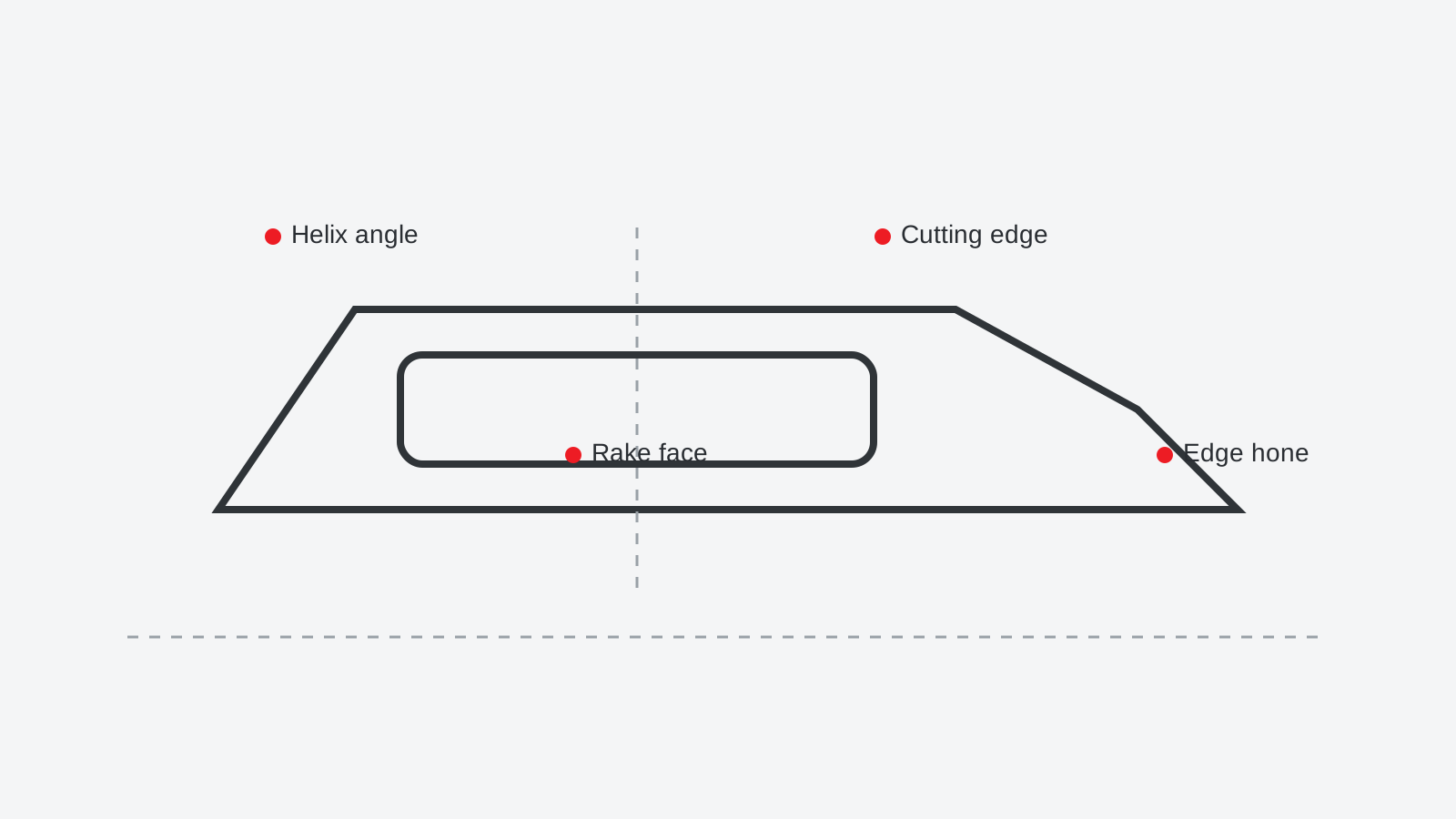
Helix angle and edge-preparation relationships. Choose only the reach needed for access and keep projection controlled for stable milling.
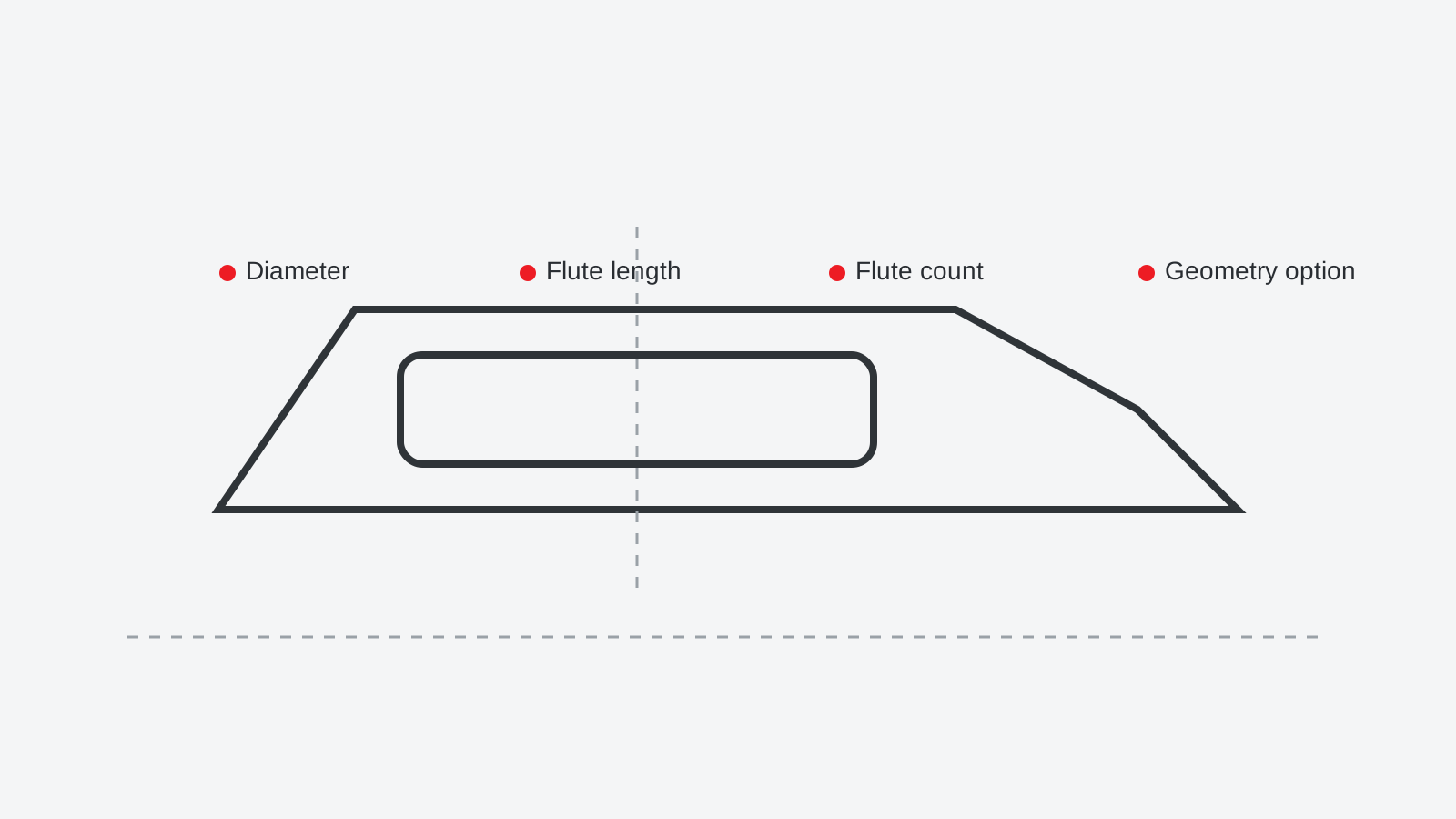
Generic end-mill designation logic without product-specific dimensions. Review shank size, holder type, gauge length and runout as one spindle assembly.
Compare traceable family data, interface requirements and application inputs without assuming unlisted dimensions, grades or performance values.
Use the feature width, depth and corner requirement to define the cutting envelope. Relate flute count and gullet volume to material, engagement and chip evacuation. Choose only the reach needed for access and keep projection controlled for stable milling.
Request Quote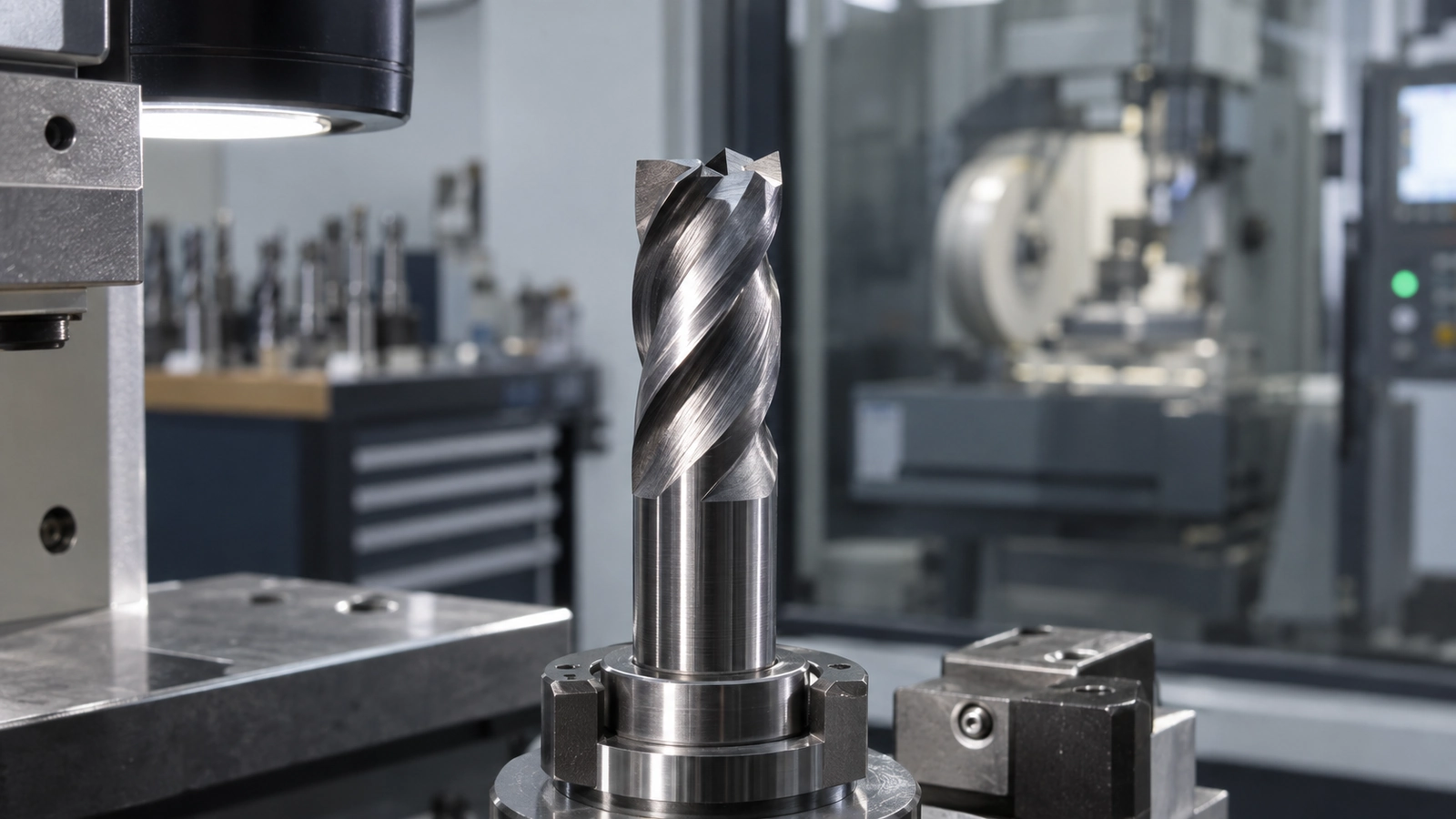
Solid carbide end mills selected by diameter, cutting length, reach, flute geometry, holder interface and workpiece application for slotting, shoulder, pocket and profile milling.
Define diameter, cutting length, corner form and usable reach from the component feature.
Relate flute geometry and chip space to workpiece material, radial engagement and tool path.
Review shank interface, projection, runout, coolant or air delivery and machine stability.
Solid carbide end mills selected by diameter, cutting length, reach, flute geometry, holder interface and workpiece application for slotting, shoulder, pocket and profile milling.
Define diameter, cutting length, corner form and usable reach from the component feature.
Relate flute geometry and chip space to workpiece material, radial engagement and tool path.
Review shank interface, projection, runout, coolant or air delivery and machine stability.
| Product family | Model | Selection requirement | Grade / coating | Quotation |
|---|---|---|---|---|
| 4-Flute | E series D1–D20 | Cutting Envelope | Options stated in the model-specific quotation | Provide material, quantity and drawing |
| Long 4-Flute | D8–D12 long-reach references | Cutting Envelope | Options stated in the model-specific quotation | Provide material, quantity and drawing |
| 3-Flute | D3–D10 3-flute flat end | Cutting Envelope | Options stated in the model-specific quotation | Provide material, quantity and drawing |
Swipe or scroll horizontally to view every column.
Solid carbide end mills selected by diameter, cutting length, reach, flute geometry, holder interface and workpiece application for slotting, shoulder, pocket and profile milling.